Stock Market Week Ahead: Jobs, Broadcom, Rate Hike Bets
August jobs data lands Friday as markets price rising odds of a September rate hike, with Broadcom and Palo Alto Networks earnings testing the AI trade.
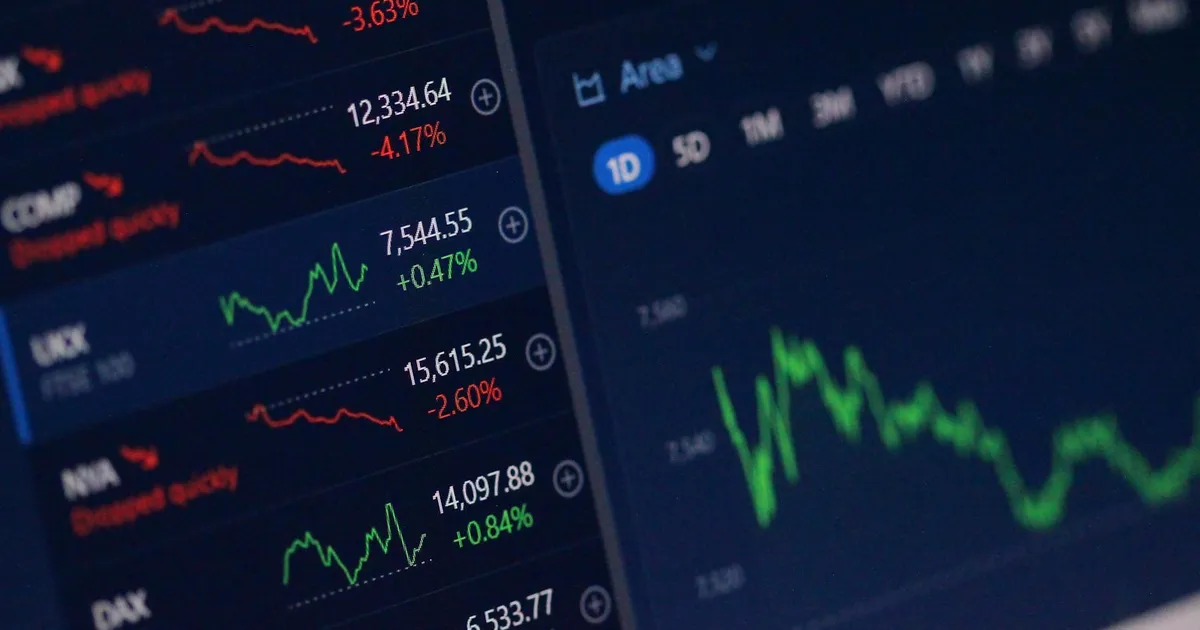
Wall Street enters the week of August 31 with the calendar shifting from chips to the labor market — and with a rate debate that has flipped from “how soon will the Fed cut” to “will the Fed hike.” The marquee event is Friday’s August employment report, the first read on jobs since a startling contraction in July, and it lands with markets suddenly pricing a real chance the Federal Reserve tightens next month. Layered on top are earnings from Broadcom and Palo Alto Networks, two of the biggest names left on the docket after Nvidia, and a batch of macro data that will fill in the growth picture.
The backdrop is a market still digesting Fed Chair Kevin Warsh’s Jackson Hole keynote. His remarks were read as tilting toward tighter policy, and the repricing was sharp: according to the CME FedWatch tool, the implied probability of a September rate hike jumped to roughly 60% — an unusual posture for a market that spent much of the year debating the timing of cuts. That single shift reframes every data point this week.
The jobs report is the week’s fulcrum
The August jobs report, due Friday at 8:30 a.m. ET, is the highest-stakes release of the week. It follows a July print that stunned forecasters: the economy shed about 23,000 positions, a surprise contraction, while the unemployment rate rose to 4.1%, above expectations. A single soft month can be noise; two in a row would look like a trend.
Economists broadly expect a modest rebound, with consensus calling for roughly 65,000 jobs added in August and the unemployment rate holding near 4.1%. But the interpretation is unusually two-sided this time because of where the Fed sits:
- A hot number — jobs well above consensus — would reinforce Warsh’s tightening lean and push September hike odds higher, pressuring rate-sensitive equities and the crowded AI-megacap trade.
- A cold number — another weak or negative print — would revive fears the economy is slowing even as inflation stays sticky, the uncomfortable mix that leaves the Fed with no easy move.
That is the trap in the setup: with a hawkish Fed chair and hike odds elevated, good news on growth is not unambiguously good news for stocks. The market has to weigh every strong data point against the tighter policy it might invite.
Broadcom and Palo Alto headline earnings
The AI-hardware trade doesn’t leave the stage just because Nvidia has reported. Broadcom delivers results this week, and it is the most important remaining print for the custom-silicon and networking story. The company has guided for AI semiconductor revenue to grow more than 200% year over year to roughly $16 billion in the current quarter, driven by custom accelerators — including the inference chip work tied to Anthropic and other labs — and by the networking silicon that stitches AI clusters together. After Nvidia’s record quarter and Marvell’s read on custom silicon, Broadcom is the next test of whether hyperscaler demand is still accelerating or merely holding.
Palo Alto Networks reports the same week, shifting the lens to cybersecurity spending. Security budgets have been a relative bright spot, and investors will watch billings and next-gen recurring revenue for signs that enterprises are still funding AI-era defenses even as they scrutinize other IT spend. Together the two prints offer a demand check on the two pillars of the current tape — AI infrastructure and the security layer being built around it.

The rest of the macro calendar
Beyond Friday’s jobs data, a cluster of releases will shape the growth read heading into the September Fed meeting. The ISM manufacturing and services surveys will show whether activity is expanding or stalling, consumer confidence will gauge how households are holding up as rates stay high, and a revised estimate of second-quarter GDP will confirm or adjust the pace of growth. None individually rivals the jobs report, but a run of soft prints would sharpen the slowdown narrative at exactly the moment the Fed is signaling it is in no hurry to ease.
The week also serves as the market’s first full session block after Warsh’s Jackson Hole debut, so expect Fed speakers and any follow-up commentary to move rates as investors calibrate the odds into the mid-September policy decision.
The AI trade under pressure
What ties the week together is the same question that has hung over the market all summer: can the AI-led rally keep going when the cost of capital is rising? The megacap technology and semiconductor names that drove 2026’s gains are now so large that their earnings set the index’s direction — and their valuations lean on cheap money to justify stretched multiples. A Fed that is openly weighing a hike, rather than a cut, removes part of that support.
The market comes into the week without much cushion. Coming off the Nvidia-and-Jackson-Hole gauntlet and an earlier selloff driven by rising bond yields, investors have already been trimming exposure to the most crowded trades. The surge in hyperscaler capital spending that underwrites AI demand looks very different in a rising-rate world than it did when cuts seemed inevitable.
What it means
This is a week where the macro backdrop matters more than any single company. Broadcom and Palo Alto will move their own tickers and ripple through the AI and security trades, but the index direction runs through Friday’s jobs number and what it does to rate-hike odds.
The bull case: August payrolls come in near consensus — solid but not hot — cooling the hike chatter without signaling recession, while Broadcom beats and raises on AI silicon. That “just right” combination would let the market conclude growth is intact and the Fed can stay patient, supporting a rebound in the megacap and semiconductor names.
The bear case: a hot jobs print pushes September hike odds decisively above 50/50, or a second consecutive weak report revives slowdown fears — either outcome hits the AI trade at its most vulnerable, and the concentration that powered the rally works in reverse. A Broadcom miss or cautious guide would add a demand scare on top of the rate scare.
What to watch: the August payroll and unemployment figures against the ~65,000 consensus, and the immediate move in CME FedWatch odds afterward; Broadcom’s AI semiconductor revenue and forward guidance; Palo Alto’s billings and recurring-revenue growth; and the tone of Fed commentary as officials calibrate into September. With so much index weight riding on a handful of tickers and a Fed openly debating a hike, expect the reaction to these events — and position sizes — to run large.
Keep reading

 Kurumi · · 6 min read
 Stock Market Week Ahead: CPI, Oracle, Apple Event
A holiday-shortened week brings August CPI on Friday, Oracle and Adobe earnings Thursday, and Apple's iPhone event Wednesday. What to watch.
 Kurumi · · 4 min read
 August Jobs Report: 162K Beat Revives Fed Hike Bets
US payrolls rose 162,000 in August, nearly triple forecasts. The hot print pushed the 2-year yield to a 2025 high and lifted odds of a September Fed rate hike.
Kurumi · · 6 min read Stock Market Aug 7 2026: Jobs Shock Sparks Rally
A surprise drop in July payrolls sent Wall Street to record highs on Aug 7, 2026, as rate-cut bets firmed and Atlassian surged 36% on earnings.