The AI Capex Boom: Why Hyperscalers Keep Spending
Hyperscalers are pouring record sums into AI data centers, chips, and power. What's driving the capex boom, who profits, and the risk if demand stalls.

The biggest story in tech isn’t a model release — it’s a balance sheet. The largest cloud and AI companies are spending money on physical infrastructure at a scale that has no real precedent, and they show little sign of slowing. To understand the AI era’s economics, you have to understand capex — capital expenditure — and why the hyperscalers can’t stop writing the checks.
What “capex” means here
Capital expenditure is money spent on long-lived physical assets: buildings, machines, hardware. For an AI company, that means data centers, the chips inside them, and the power to run them. It’s distinct from operating costs like salaries or electricity bills. The headline numbers — collective annual AI infrastructure spend now measured in the hundreds of billions of dollars — are overwhelmingly capex, and they’ve reshaped the entire supply chain, from chip designers to utilities.
What the money actually buys
Follow a capex dollar and it lands in a few places:
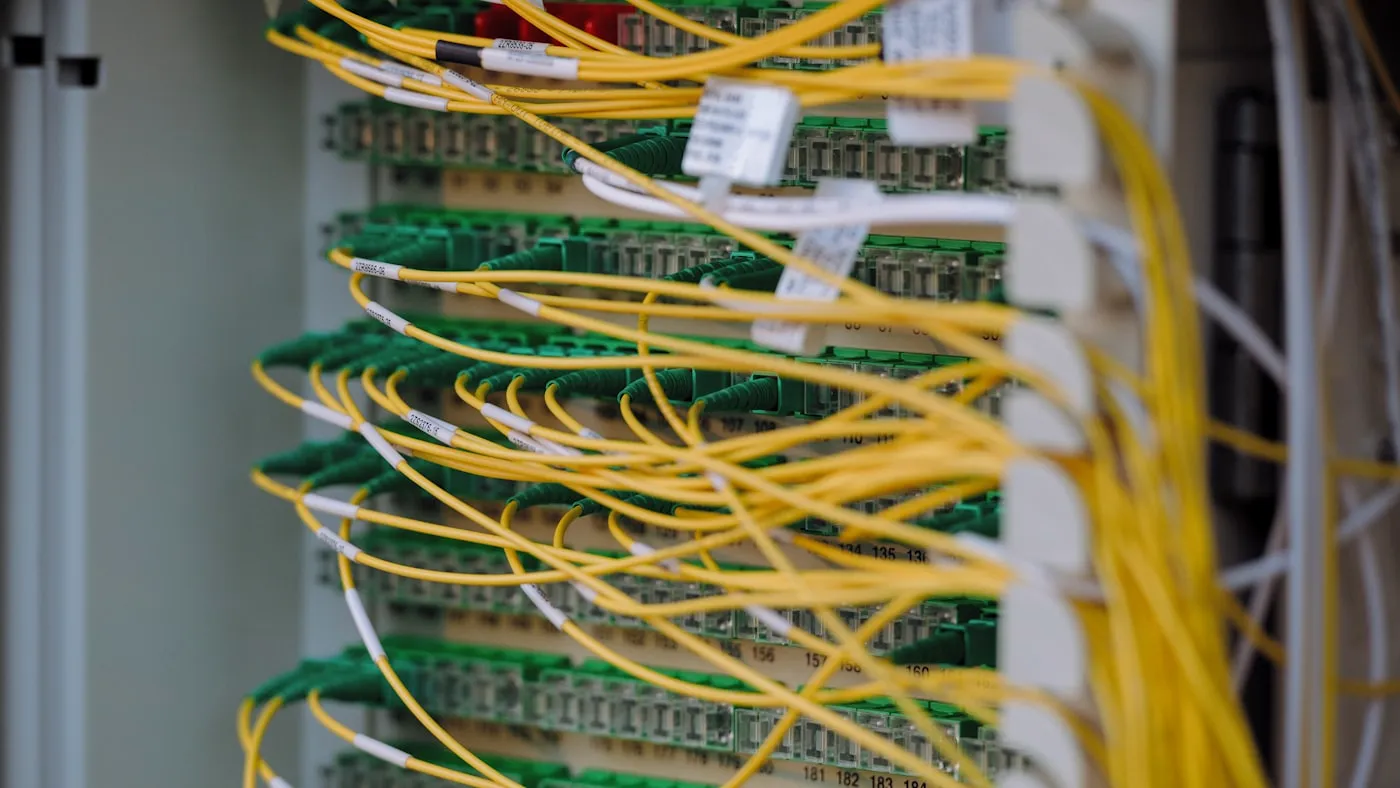
- Accelerators. The largest single line item is AI chips — GPUs and custom silicon. Demand has been strong enough to sell out next-generation parts before they ship, as we saw with Nvidia’s Rubin platform and the competitive push from AMD’s MI400.
- Memory. Every accelerator is paired with high-bandwidth memory, and that has set off its own scramble — the HBM4 supply race and a broader AI memory supercycle that’s lifted suppliers across the board.
- Data centers and power. Chips need buildings, cooling, and — increasingly the binding constraint — electricity. Securing gigawatts of power is now a strategic act, the backdrop to deals like the OpenAI–Nvidia 10GW partnership and China’s $295 billion infrastructure push.
Why they keep spending
Five forces keep the spending going:
- Demand they can’t yet meet. Training frontier models is compute-hungry, but the bigger driver is inference — serving those models to users — which scales with adoption. The capacity simply isn’t there yet.
- Competition. No hyperscaler wants to be the one that under-built and got capacity-constrained while a rival captured the market. The fear of falling behind is a powerful spending accelerant.
- Moats. Compute at this scale is a barrier to entry. Owning the data centers, the chip supply, and the power contracts is itself a competitive advantage.
- Long bets on locked-in supply. Multi-year commitments to chipmakers and memory suppliers — like Micron’s strategic deal with Anthropic — secure scarce parts ahead of need.
- The depreciation clock. These assets wear out and fall behind. Hardware bought today is depreciated over a few years, which means the spending isn’t one-and-done — it’s a treadmill.
Who profits
The clearest beneficiaries are the picks-and-shovels suppliers: chip designers, the foundries that fabricate the silicon, memory makers, networking and cooling vendors, and the power industry. That’s why a single AI infrastructure announcement can move a chain of stocks at once — and why a memory supplier’s share price can swing on every demand signal.
The bear case
The risk isn’t that AI is a fad — it’s a timing-and-return problem:
- ROI is unproven at this scale. Capex is being spent now against revenue that’s expected later. If monetization lags the buildout, the returns look ugly.
- Depreciation bites. Tens of billions in hardware lose value every year. If utilization disappoints, that depreciation hits earnings hard.
- Power and physical limits. You can order chips faster than you can build substations. Energy is becoming the real ceiling.
- Circular financing. When chipmakers invest in their own customers and customers commit to buy, demand can look stronger than independent end-demand justifies.
- An air pocket. The history of infrastructure booms — railroads, fiber — is that they tend to overshoot before they pay off. The capacity usually does get used; the question is who’s holding the assets when the cycle turns.
What to watch
The tells are in the disclosures, not the demos: hyperscaler capex guidance, utilization and the revenue actually attributed to AI, lead times on accelerators and memory, and power-availability constraints. We keep the headline numbers — per-company actuals and guidance, updated each earnings season — on our AI capex tracker. Spending of this magnitude can be a generational bet that pays off — much like the early hardware that powered the cloud — or an overshoot the market eventually prices in. For now, the checks keep clearing, and the valuations riding on this thesis keep climbing with them.
Keep reading
 Kurumi · · 4 min read
 The Economics of an AI Data Center: What a Gigawatt Costs
AI ambition is measured in gigawatts. What one actually costs to build and power for a year — a back-of-the-envelope teardown of tech's priciest machine.
 Kurumi · · 6 min read
 Nvidia Pauses Revenue-Sharing Deals With AI Clouds
Nvidia has paused its $36 billion AI Compute Partnership over antitrust and control concerns, sending CoreWeave, Nebius, and IREN shares lower.
 Kurumi · · 6 min read
 Amazon Tops $3 Trillion Market Cap on AWS AI Growth
Amazon became the fifth company ever to cross a $3 trillion market cap on August 3, 2026, powered by accelerating AWS cloud and AI demand. What drove it.