SK hynix Stock Drops 15% on HBM4 Delay, DDR5 Pivot
SK hynix fell a record 15% on July 13 after signaling it will slow its HBM4 ramp to chase DDR5 margins, reviving fears the AI memory boom is peaking.
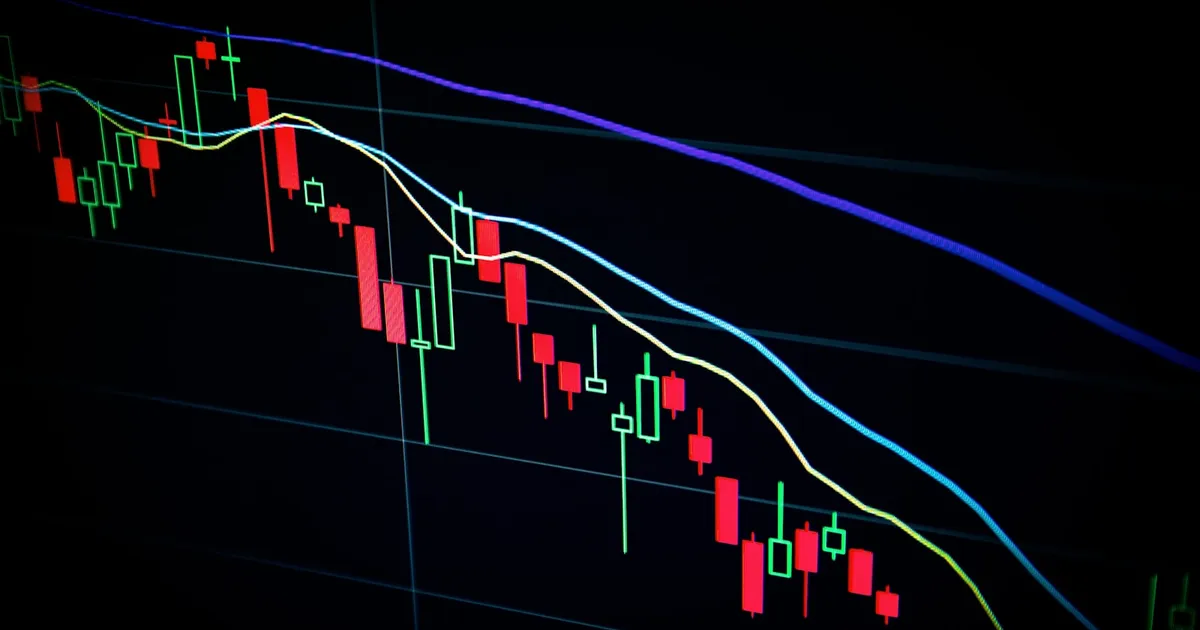
The company that supplies most of the memory behind the AI boom just had the worst trading day in its history — and it did it partly on purpose. On Monday, July 13, 2026, shares of SK hynix collapsed 15.4% in Seoul, the steepest single-session decline the stock has ever recorded. The move came only days after the memory maker’s blockbuster Nasdaq ADR debut, and it dragged the broader market down with it: South Korea’s KOSPI fell roughly 9%, tripping a market-wide circuit breaker, while Samsung Electronics slid nearly 11%. The selling spilled into US premarket trading, where Nvidia, AMD, Broadcom, Qualcomm, and Micron all traded lower.
The trigger was not a demand shock or a lost customer. It was a strategy note. Analysts flagged that SK hynix intends to slow the ramp of its next-generation HBM4 memory in favor of squeezing higher margins out of conventional DRAM — a deliberate choice that removed a chunk of the earnings upside investors had been counting on.
What actually happened
For most of 2026, SK hynix has been the market’s purest way to bet on AI. It is the runaway leader in high-bandwidth memory (HBM), the stacked DRAM that sits beside AI accelerators and feeds them data fast enough to keep expensive GPUs busy. That leadership powered a euphoric US listing: the stock soared about 13% on its Nasdaq debut before the reversal. If you want the mechanics of the product itself, our explainer on what HBM is covers why it commands such premium pricing.
The July 13 session broke the spell. According to reporting on the day, overseas investors pulled roughly 1.7 trillion won (about $1.1 billion) out of KOSPI-listed shares, with the bulk of those outflows concentrated in SK hynix. The 15.4% drop was severe enough on its own, but its weight in the index meant a single earnings-revision note about one company was enough to halt trading across the entire Korean market — reportedly the seventh KOSPI circuit breaker of 2026.
The proximate cause was a shift in the earnings narrative heading into the company’s second-quarter report. Analysts noted that full-scale HBM4 mass production is now expected to begin in the third quarter of 2026, later than some had modeled. That timing change quietly erased a source of upside that had been baked into Q2 estimates — and in a stock priced for perfection, removing upside is enough to spark a rout.
The DDR5 trade
Here is the part that makes this sell-off different from the chip-stock rout earlier in July: SK hynix is slowing HBM4 not because demand is weak, but because something else is temporarily more profitable.
Conventional DDR5 DRAM — the mainstream memory used in servers and PCs — is in the middle of its own price spike. DDR5 contract prices surged an estimated 90% to 95% quarter over quarter in the first quarter of 2026, and operating margins on the product are now projected to approach 90% this year. Faced with finite wafer capacity and packaging capacity, SK hynix appears to be reallocating some of it toward DDR5, where the near-term returns are extraordinary, rather than pushing every available line into the more complex HBM4 ramp.
From a pure profit standpoint, that is a rational call. From a stock-narrative standpoint, it is a problem. Investors have paid a premium for SK hynix specifically because HBM is the growth engine tied to Nvidia’s roadmap. A pivot — even a temporary, margin-driven one — toward commodity DRAM muddies the story. It invites the question the entire sector has been trying not to ask: if the HBM leader is happy to divert capacity to DDR5, how tight is AI memory demand, really?
Why the reaction was so violent
Three things amplified a strategy tweak into a record decline.
First, positioning. SK hynix had just completed one of the largest US listings ever, drawing a wave of new dollar-based investors at elevated prices. When those buyers saw the first crack in the earnings story days later, the exit was crowded. A freshly listed, heavily owned momentum name is exactly the kind of stock that gaps down hard on the first disappointment.
Second, concentration. SK hynix is a giant slice of the KOSPI, and its customer base leans heavily on Nvidia and a handful of US hyperscalers. That concentration cuts both ways — it delivered a record first quarter, but it also means the index and the stock move violently on any single data point. The company reported first-quarter 2026 revenue of about 52.58 trillion won (roughly $35.5 billion), up a staggering 198% year over year, which is precisely why expectations sit so high.
Third, memory is cyclical. Memory has always been the most boom-and-bust corner of the chip industry. Any hint that pricing power might soften, or that the leader is managing supply rather than maximizing the highest-value product, revives muscle memory of past down-cycles. That is the same nervous energy that has been whipping Micron’s stock around all year and dragged down Samsung’s memory-heavy earnings.
The bigger picture: is the supercycle peaking?
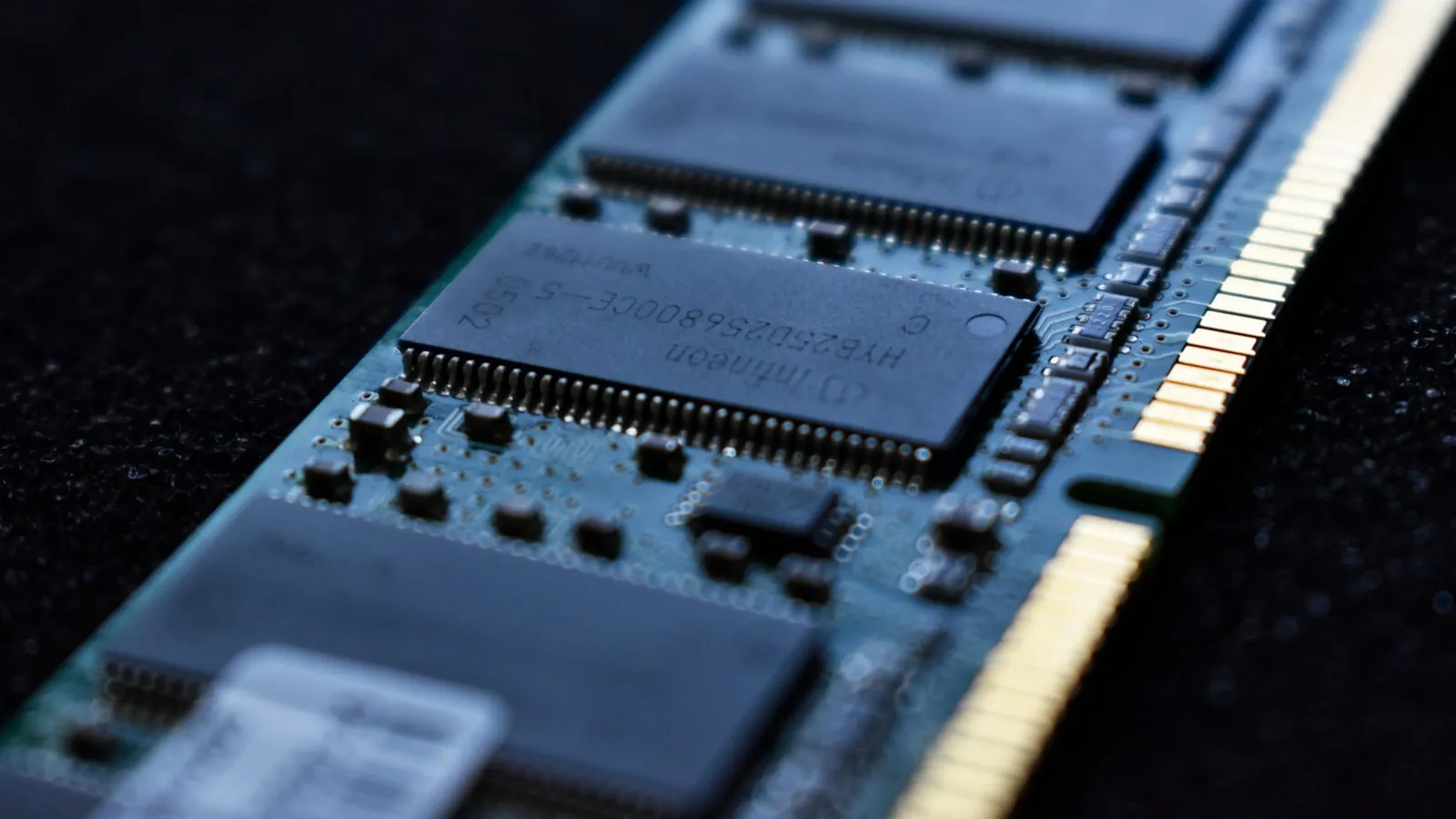
Zoom out and the numbers still describe a boom, not a bust. HBM revenues are forecast to climb from about $33 billion in 2025 to $86 billion in 2027, a compound growth rate above 60%, and SK hynix has reportedly locked up close to 70% of Nvidia’s HBM4 orders in the HBM4 supply race. Bank of America, meanwhile, recently lifted its forecast for the global semiconductor market to $1.3 trillion in 2026, up from a $1.0 trillion projection made just months earlier. None of that is the shape of a collapsing market.
What July 13 punctured was not the demand thesis but the pricing thesis — the assumption that every quarter would deliver more HBM at ever-higher prices with no trade-offs. The DDR5 diversion is a reminder that suppliers manage their mix for margin, and that a producer choosing the more profitable product in the moment is not the same as a producer running out of AI demand. But at valuations set at the top of an upcycle, the distinction is easy to lose in a panic. This is the tension at the heart of the entire AI memory supercycle: the fundamentals are real, and so is the fragility of stocks priced as if the cycle will never turn.
What it means
This was a valuation event, not a demand event. Nothing on July 13 suggested that AI memory demand is falling. What changed was the earnings math: a later HBM4 ramp and a margin-driven tilt toward DDR5 trimmed the near-term upside that investors had already paid for. When a stock is priced for a flawless trajectory, “still excellent, just less upside than modeled” is enough to erase 15% in a session. The lesson is about how much perfection was embedded in the price, not about the health of the underlying business.
SK hynix is optimizing for profit, and the market hasn’t decided how to feel about it. Slowing HBM4 to capture ~90% DDR5 margins is defensible capital allocation — arguably the disciplined move. But it complicates the clean “HBM leader riding Nvidia” narrative that justified a top-of-cycle multiple. Expect analysts to spend the coming weeks re-underwriting the stock on blended memory economics rather than HBM alone.
The contagion is the real story for everyone else. A single Korean earnings note halting all KOSPI trading, then knocking down Nvidia, AMD, Broadcom, and Micron in US premarket, shows how tightly the whole AI complex is now wired to memory pricing. When one supplier sneezes, the entire trade catches a cold. That fragility will persist as long as the sector trades on momentum and concentrated positioning.
What to watch next. Three things: SK hynix’s actual second-quarter report and any guidance on the HBM4 timeline; whether DDR5 contract prices hold their spike or fade as the mix shifts; and whether Samsung and Micron use SK hynix’s HBM4 slowdown to close the share gap. Get those right and the memory boom looks intact with a healthier margin structure underneath it. Get the timing wrong and July 13 will be remembered as the first serious wobble in the AI memory trade.
Tagged
Keep reading
 Kurumi · · 5 min read
 Marvell Q2 Earnings: Record $2.74B, Raised Guidance
Marvell posted record Q2 FY2027 revenue of $2.74B on a 46% data center surge, raised its outlook again, and guided Q3 to $3.15B. The numbers and what they mean.
 Kurumi · · 5 min read
 Nvidia AI Server Prices to Rise 15%+ on Memory Costs
Nvidia's server builders have told Microsoft, Google and Oracle that Vera Rubin and Grace Blackwell system prices will climb more than 15% from early 2027 as memory costs soar.
Kurumi · · 5 min read Etched Raises $700M at $21B Valuation From Jane Street
Etched raised $700M led by Jane Street at a $21B valuation, doubling in a month, and shipped its first Sohu inference rack. The deal and the risks.