CXMT DRAM in PCs: HP, Asus, Acer Turn to China Memory
Facing an AI-driven DRAM shortage, HP, Asus and Acer have begun using China's CXMT memory in some notebooks. Why the memory crunch is reshaping the PC supply chain.
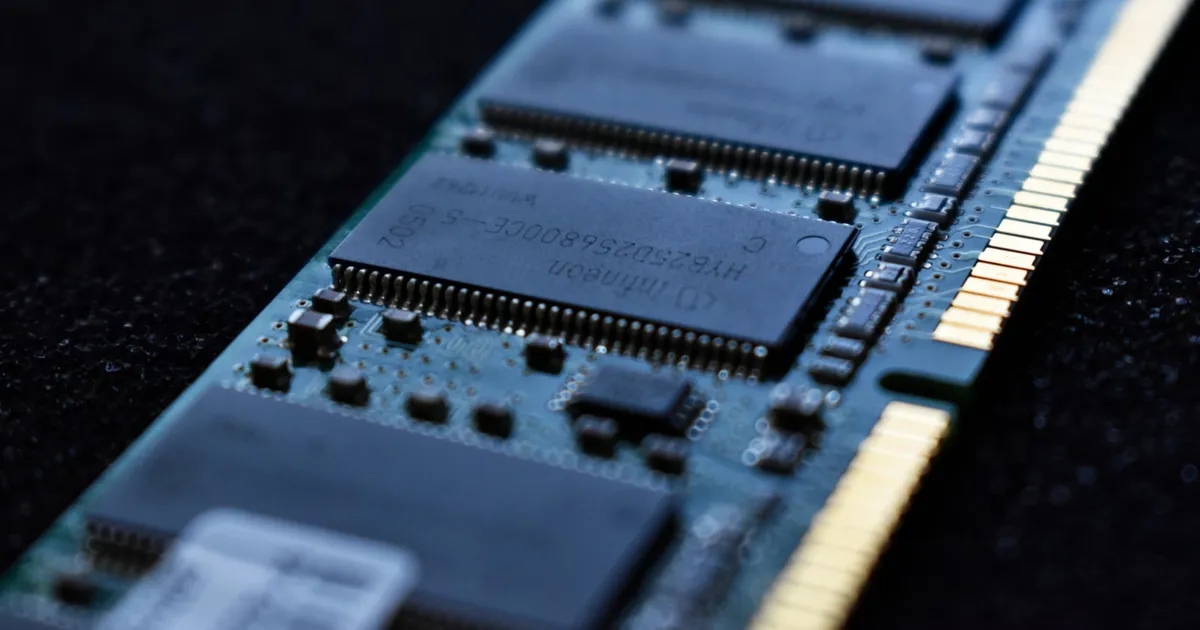
The global memory shortage has pushed the world’s largest PC makers to a supplier they once avoided. According to reports out of Asia, HP, Asus, and Acer have begun installing DRAM from China’s ChangXin Memory Technologies (CXMT) in a limited number of notebook models — a first for the Chinese memory maker in mainstream global brands, and a sign of how severe the AI-driven component crunch has become.
The volumes are small and the geography is deliberate. The three vendors reportedly completed CXMT’s quality-certification process around the middle of 2026 and have since begun using small quantities of its chips in certain laptop lines sold outside the United States. None has made the move a centerpiece of its supply chain. But the fact that tier-one brands are qualifying Chinese memory at all marks a shift that would have been hard to imagine a year ago.
An AI-driven squeeze on ordinary memory
The root cause is the artificial-intelligence buildout. AI data-center construction is expected to consume roughly 70% of all memory-chip production in 2026, as accelerators demand vast quantities of high-bandwidth memory (HBM) — stacked DRAM that carries far higher margins than the commodity chips that go into laptops and phones. Producing HBM pulls wafer capacity away from conventional DDR memory at every major supplier, starving the PC market of parts.
The price signal has been brutal. DRAM costs have roughly tripled over the past 18 months, and supply is expected to tighten further toward the end of the year. For an explainer on why that memory sits at the center of the AI trade, see our guide to HBM and the ongoing HBM4 supply race; for how those two grades of memory differ, our DDR vs. GDDR primer lays out the basics.
The market leaders have not been able to fill the gap. Samsung Electronics, SK hynix, and U.S.-based Micron have prioritized HBM allocation, and their capacity constraints — including a widely reported HBM4 timing slip at SK hynix — have left conventional DRAM in chronic short supply. That scarcity is precisely the opening CXMT has stepped into.
Why PC makers are moving cautiously
Adoption has been tentative, and the reasons are commercial as much as technical. PC makers remain wary of publicly leaning on CXMT because doing so could complicate their relationships with the three incumbent suppliers, whose allocation they still depend on for the bulk of their memory. In a market where the supply-side advantage sits firmly with sellers, antagonizing Samsung, SK hynix, or Micron carries real risk. The result is a quiet, limited qualification rather than a wholesale switch.
Geography reinforces the caution. Keeping CXMT-equipped models out of the U.S. market sidesteps the thicket of trade and procurement sensitivities around Chinese semiconductors, while still letting vendors ease supply pressure in other regions. It is a hedge, not a pivot.
A shortage with real market consequences
The crunch is already reshaping the PC business. Research firm IDC estimates the global PC industry will shrink more than 11% this year, weighed down by the memory shortage and the cost inflation it has produced. When the single most cost-sensitive component in a laptop triples in price, the math for building affordable machines breaks — and the pain lands hardest at the low end of the market.
For CXMT, the timing could hardly be better. The Hefei-based company debuted on Shanghai’s STAR Market on July 27, and its shares soared on the listing — one of the year’s largest in Asia. Winning design-ins at global PC brands, however limited, validates the technical progress behind that valuation and advances Beijing’s long-running push for semiconductor self-sufficiency.
The backdrop is a memory market that has swung violently all year. The memory supercycle that lifted supplier profits also fed a boom-bust cycle in memory stocks, and it has tied chipmakers ever more tightly to the AI labs buying their output — witness Micron’s strategic deal with Anthropic. CXMT’s entry into global PCs is the same story viewed from the demand side: when the incumbents chase the highest-margin AI parts, everyone else has to find memory somewhere.
What it means
The headline is not that a few notebooks now ship with Chinese DRAM. It is that the AI memory boom has grown so lopsided that even the most cautious buyers in the industry are qualifying a supplier they spent years keeping at arm’s length. The AI data-center demand pulling wafer capacity toward HBM has created a durable structural shortage in commodity memory, and that shortage is doing what shortages do — opening doors for new entrants.
Who wins: CXMT, which converts scarcity into credibility and market share, and Beijing’s self-sufficiency agenda, which gains a reference customer list. Who loses: PC buyers, who face higher prices and a shrinking market, and — over the longer term — the incumbent memory makers, who are training the market to accept a Chinese alternative every time they steer capacity toward AI.
What to watch next: whether CXMT’s design-ins expand beyond limited, non-U.S. models into higher volumes; how Samsung, SK hynix, and Micron respond as the HBM supply race keeps pulling capacity from commodity DRAM; and whether the memory crunch eases or deepens into next year. If DRAM stays scarce, today’s small, cautious qualification looks less like a hedge and more like the opening of a permanent second source.
Tagged
Keep reading
 Kurumi · · 6 min read
 Korea Chip Exports Hit Record in August, Up 209%
South Korea's chip exports jumped 209% in August 2026 to a record $46.65B — nearly half of all exports — as hyperscaler AI spending drove demand.
 Chisato · · 6 min read
 US Moves to Block China's Remote AI Chip Access
The Commerce Department is drafting a rule to stop Chinese firms from renting banned Nvidia AI compute through data centers in third countries.
Chisato · · 5 min read Samsung LPDDR5X-PIM: In-Memory Compute for AI
Samsung detailed LPDDR5X-PIM at Hot Chips 2026 — a drop-in DRAM that runs AI math inside memory, claiming roughly 3x token throughput and 8x PIM bandwidth.