Micron and Anthropic Strike a Four-Pillar AI Deal
Micron and Anthropic signed a four-pillar agreement — memory co-design, a multi-year supply deal, Claude adoption, and a Series H investment. Here's what it means.
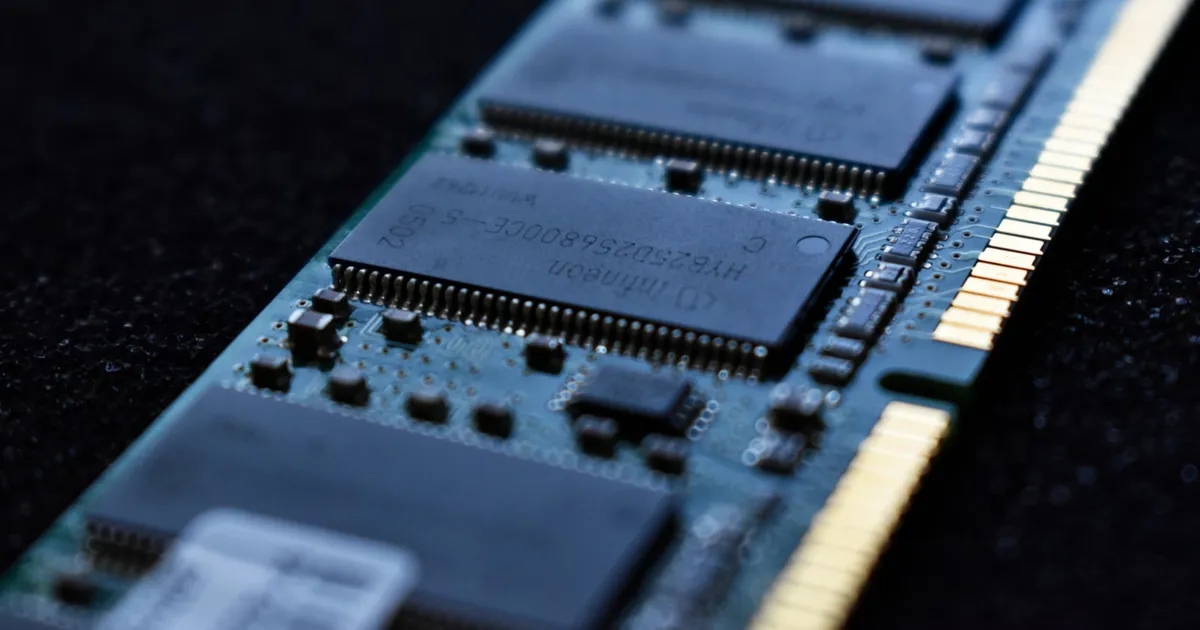
Memory just became strategic. On June 22, 2026, Micron and Anthropic announced a partnership that goes well beyond the usual chipmaker-buys-customer handshake — it spans four layers of the AI stack at once, something no prior deal between a memory maker and an AI lab has done. Micron stock jumped more than 5% on the news to a record, adding tens of billions in market value.
The four pillars
The agreement is built on four distinct commitments:
- Architecture co-design. Micron and Anthropic will jointly analyze how memory and storage subsystems behave across AI workloads — not as vendor and buyer, but as co-designers of the memory architecture that future Claude models will train and run on. The stated goals are performance, energy efficiency, and better token economics.
- A multi-year supply agreement. It covers Micron’s full data-center portfolio: high-bandwidth memory (HBM), DRAM, and solid-state drives — the parts that feed AI accelerators and store the data behind them.
- Claude adoption. Micron has deployed Claude internally for coding and automation across its engineering and manufacturing teams.
- A Series H investment. Micron took a strategic stake in Anthropic’s latest funding round, aligning both companies financially around the same roadmap.
Terms of the supply agreement and the size of the investment were not disclosed.
Why memory, why now
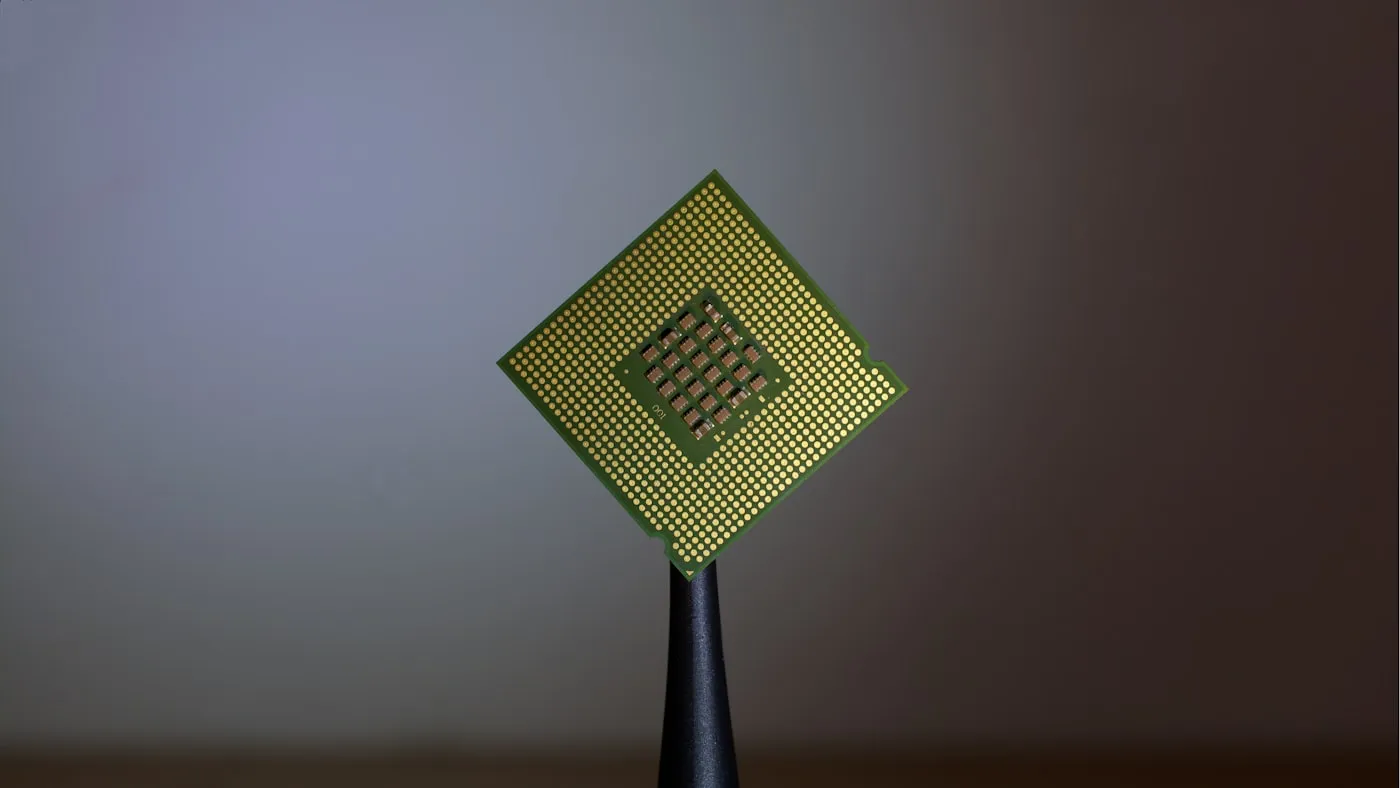
Modern AI is bottlenecked less by raw compute than by how fast you can feed it data. Training and serving a model like Claude means moving enormous tensors in and out of memory billions of times — which is why high-bandwidth memory has become the scarcest, most valuable component in the AI supply chain. Securing it is now a competitive necessity, and that scramble is the engine behind the broader AI memory supercycle.
For Anthropic, the deal locks in supply and lets it shape the hardware around its own large language models rather than taking whatever the market ships. Co-designing memory for specific workloads can squeeze out efficiency that generic parts leave on the table — and at Anthropic’s scale, a few percent of efficiency is real money.
What each side gets
The two executives framed it plainly. Micron’s Sumit Sadana called it a collaboration that “brings together the industry-leading capabilities of both companies to innovate and scale next-generation AI infrastructure.” Anthropic’s Tom Brown put the technical case directly: “Memory and storage are central to how efficiently we can train and serve Claude.”
Read through the corporate language and the trade is clear. Micron gets a flagship AI customer, a multi-year demand signal, and equity exposure to one of the fastest-growing companies in tech — one that just filed confidentially for an IPO. Anthropic gets guaranteed access to the components it can’t afford to run short on, plus a partner with a reason to optimize for Claude specifically.
How it fits the bigger picture
The structure echoes the OpenAI–NVIDIA arrangement, where an AI lab and its hardware supplier braid together commercially and financially. The pattern is becoming the norm: as compute and memory get scarce and expensive, AI labs are reaching down the supply chain to secure both — and suppliers are reaching up to lock in the demand. For investors, it’s another reason Micron’s stock has swung so hard this year.
The takeaway
This is a bet that memory is a strategic asset, not a commodity. Micron gets demand certainty and an equity stake; Anthropic gets supply security and hardware tuned to its workloads. If the AI buildout keeps accelerating, deals like this look prescient. If demand cools, both sides are more exposed to each other than a simple purchase order would leave them — which is exactly what makes it a partnership rather than a transaction.
Tagged
Keep reading
 Kurumi · · 5 min read
 Anthropic IPO: Investors Want Revenue-Per-Token Data
Ahead of Anthropic's IPO, would-be investors are demanding granular metrics like revenue per token and per gigawatt of compute. Here's what the numbers show.
 Kurumi · · 6 min read
 Anthropic $30 Trillion TAM: The IPO Pitch, Explained
Anthropic is pitching IPO investors a $30 trillion total addressable market and a valuation near $2 trillion. Here's what's behind the number and the risks.
 Kurumi · · 6 min read
 Anthropic Hits $65B Run Rate Ahead of Its Fall IPO
Anthropic told investors its annualized revenue run rate reached $65 billion in July, up from $47B in May, as it lines up a record fall IPO. The numbers.