Chip Stocks Rally as SOX Jumps 8% on Memory Rebound
Semiconductor stocks staged their biggest rally in 15 months on July 30, 2026 as Micron, AMD and Lam Research surged after Microsoft's cloud beat. Why.
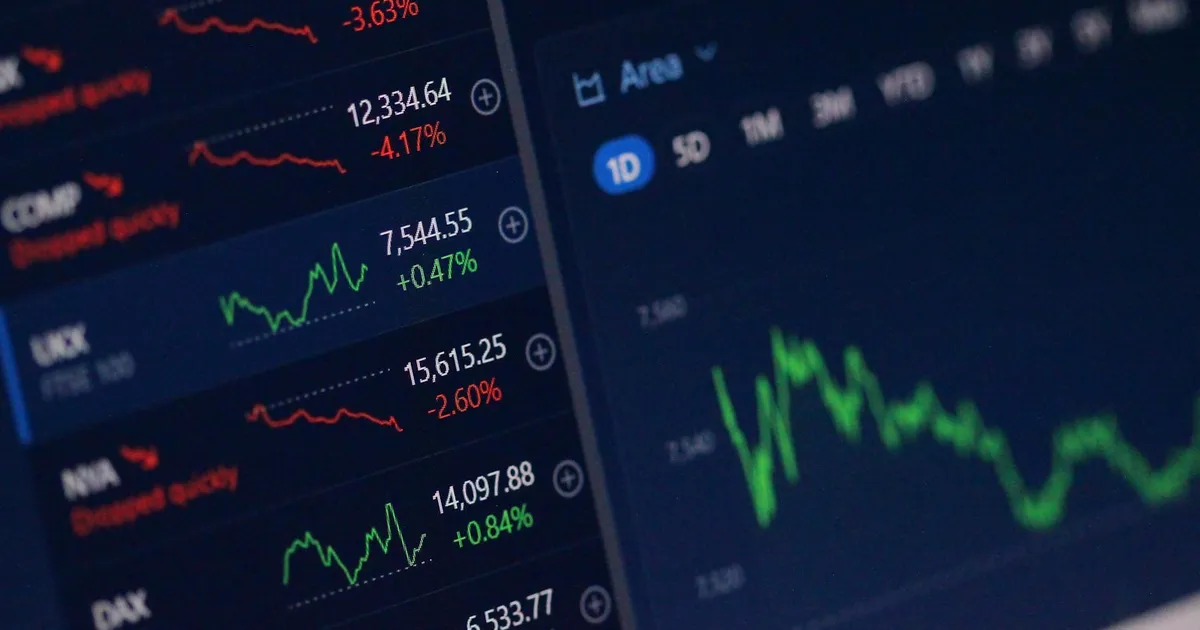
Two days after a memory-led selloff dragged the Nasdaq into a correction, the semiconductor trade came roaring back. On Thursday, July 30, 2026, the PHLX Semiconductor Index (SOX) surged 8.19% — its largest single-day gain in roughly 15 months, since April 2025 — as memory makers, chip-equipment suppliers and AI accelerators rallied together. The iShares Semiconductor ETF (SOXX) rose more than 8%, and the move helped power the Nasdaq Composite up nearly 3% on the session.
The rebound erased a large share of the losses from the AI memory rout that tipped the Nasdaq 100 into correction on July 28, and it was led by exactly the names that had fallen hardest.
The scoreboard
The biggest moves clustered in memory and equipment — the highest-beta corners of the AI hardware complex.
- Micron Technology surged about 18%, recovering the ground it lost during the week’s selloff.
- SanDisk jumped roughly 26%, the day’s standout among memory names.
- Lam Research popped about 18%, on track for its best single day since 1999, after strong earnings and guidance tied to AI-driven equipment demand.
- Advanced Micro Devices (AMD) rose more than 13%.
- Marvell Technology gained about 12% and Intel climbed roughly 11%.
- Taiwan Semiconductor (TSMC) ADRs rallied about 7%.
- Nvidia, already the sector’s largest company, added a more modest 2.7% — a reminder that the day’s leadership came from the names with the most to recover, not the mega-cap anchor.
The breadth mattered as much as the magnitude. This was not a single stock dragging an index higher; it was the whole semiconductor food chain — memory, logic, foundry and the tools that make them — moving in the same direction on the same day.
What lit the fuse
Traders pointed to a cluster of catalysts, but one stood above the rest: Microsoft’s earnings.
Microsoft reported fiscal fourth-quarter results after Tuesday’s close showing Azure and other cloud services revenue grew 43%, accelerating from 40% the prior quarter, with Azure’s full-year revenue topping $100 billion for the first time. The stock’s reaction was historic — shares jumped roughly 16%, adding about $450 billion in market value in a single session, the largest one-day market-cap gain in stock market history. For a chip sector that had spent the prior week fretting that hyperscaler AI spending might be peaking, a blowout cloud number from the second-largest cloud provider was the cleanest possible rebuttal: demand for the compute that chips make possible is still accelerating.
The read-through was direct. If Azure is still growing at that pace, the capital expenditure that funds it — the servers, accelerators and memory that fill data centers — has further to run. That logic lifted the AI accelerator names (AMD, Nvidia, Marvell) and, even more sharply, the memory makers whose pricing is levered to data-center buildouts.
A second catalyst reinforced the memory case. Samsung Electronics confirmed that its DRAM and NAND sales held at record levels in the second quarter, with results ahead of analyst expectations, as AI demand continued to drive its memory business. Coming days after fears of a supply glut had gutted memory valuations, a hard confirmation that the biggest supplier is still selling at record volumes helped steady the memory supercycle narrative that the selloff had called into question.
Third, Lam Research’s own earnings gave the equipment makers a company-specific reason to rally. Strong guidance from a firm that sells the machines used to manufacture advanced memory and logic told investors that fab operators are still ordering aggressively — a leading indicator of chip supply that tends to move ahead of the chips themselves.
A violent round trip
The whipsaw is the point. Barely a week ago, the same names were the epicenter of a global rout: the early-July chip selloff sent the SOX down 6.7%, and the July 28 correction saw Micron, SK Hynix and Samsung shed double digits as worries about Chinese competition, off-balance-sheet AI debt and “round-tripping” demand converged. On Thursday, most of that anxiety was set aside in a single session on the strength of one cloud earnings report and one memory-sales confirmation.
That round trip captures why memory is the most cyclical link in the AI chain. Its earnings are levered directly to a DRAM pricing cycle, so any shift in the demand narrative moves the stocks harder than the broader market in both directions. It is the same dynamic that makes Micron’s stock swing so violently: the ticker distills the entire AI-capex debate into a single, tradable proxy. When sentiment sours, memory falls first and furthest; when it recovers, memory leads the bounce.
What it means
A relief rally, not an all-clear. Thursday’s move reversed price, but it did not resolve the underlying debate. The bear case that drove the July 28 correction — that AI capital spending has climbed to an unsustainable share of hyperscaler cash flow, that Chinese memory entrants threaten incumbent pricing power, and that some AI demand is circular — is unchanged by one strong quarter from Microsoft. What changed is the near-term evidence: cloud growth reaccelerated and memory sales held at records, which is enough to lift stocks that had been priced for the opposite.
Who benefits most. The highest-beta names — memory makers and equipment suppliers — captured the biggest gains precisely because they had the most to recover. That leverage cuts both ways, and investors who bought the bounce are exposed to the same volatility that produced the selloff. The steadier beneficiaries are the diversified foundry and logic names with real cash flows, which participated in the rally without the boom-bust amplitude of the pure memory plays.
What to watch next. Three signals. First, the remaining hyperscaler earnings and, above all, their capital-expenditure guidance — the single most important read on whether the demand Microsoft flagged is broad-based or company-specific. Second, DRAM spot and contract pricing, the cleanest real-time gauge of whether the supply glut the market feared is actually forming or receding. Third, follow-through: relief rallies that hold tend to broaden beyond the hardest-hit names over subsequent sessions, while those that fade give back the move within days. After a week that delivered both a correction and a 15-month-best rally, the only safe forecast is that the AI-hardware trade will keep moving in large, jarring steps — driven by a spending debate that a single earnings report can inflame or soothe, but not settle.
Tagged
Keep reading
 Kurumi · · 5 min read
 Marvell Q2 Earnings: Record $2.74B, Raised Guidance
Marvell posted record Q2 FY2027 revenue of $2.74B on a 46% data center surge, raised its outlook again, and guided Q3 to $3.15B. The numbers and what they mean.
 Kurumi · · 5 min read
 Nvidia AI Server Prices to Rise 15%+ on Memory Costs
Nvidia's server builders have told Microsoft, Google and Oracle that Vera Rubin and Grace Blackwell system prices will climb more than 15% from early 2027 as memory costs soar.
Kurumi · · 5 min read Etched Raises $700M at $21B Valuation From Jane Street
Etched raised $700M led by Jane Street at a $21B valuation, doubling in a month, and shipped its first Sohu inference rack. The deal and the risks.