The Economics of a Humanoid Robot
Humanoid robots are arriving with $20,000 price tags and rental plans. What a robot worker really costs to build and run — and when it beats a human wage.
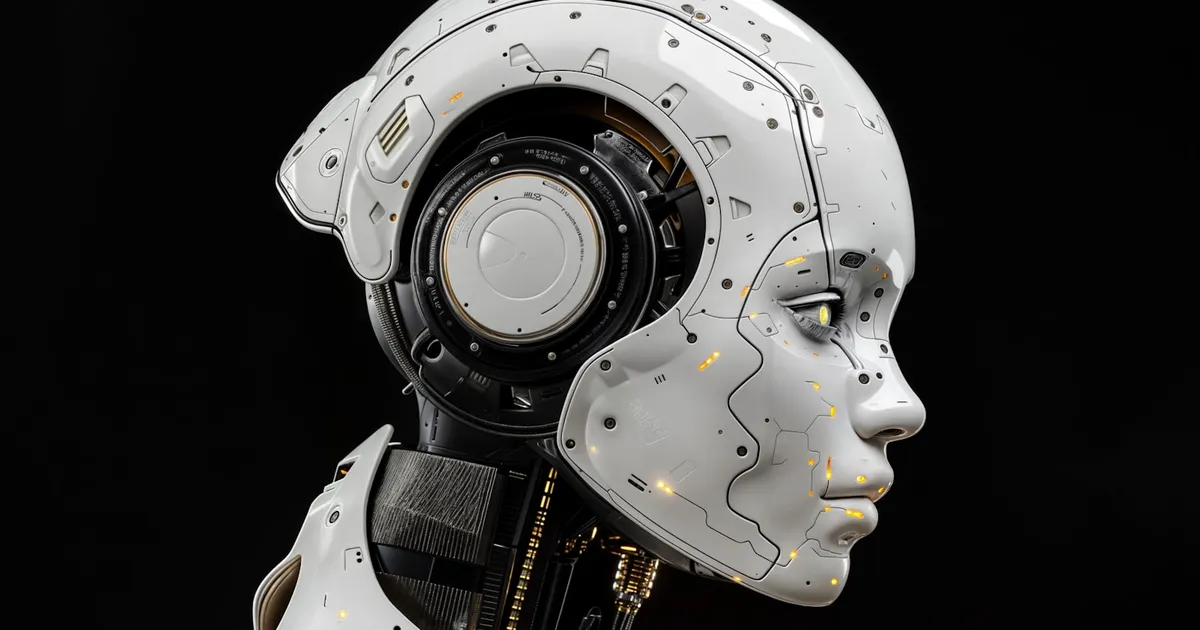
For a decade, AI lived on screens. Now it’s growing a body. Humanoid robots from the likes of Tesla (Optimus), Figure, Unitree, and Boston Dynamics have moved from demo reels toward pilot deployments, and the headline prices being floated — roughly $20,000–30,000 for a mass-market unit, less for smaller platforms — are low enough to invite an obvious comparison: against a human wage. So let’s follow the money. What does a humanoid robot actually cost to build, and to run?
The bill of materials
Strip a humanoid down to its costs and the breakdown is counterintuitive — the “AI” is one of the cheaper parts.
- Actuators dominate. A humanoid has dozens of degrees of freedom, and each joint needs a motor, gearing, and control electronics. The precision actuators and harmonic drives that let a robot move smoothly and bear load are the single largest cost, and the hardest to make cheap. The hands alone — the dexterous part everyone wants — are brutally expensive.
- Compute is modest. The onboard “brain” — an edge GPU running perception and control — matters enormously to capability but is a relatively small slice of the bill. The expensive intelligence increasingly lives in the models, not the silicon, and the robot is in effect an AI agent with motors instead of API calls.
- Sensors, battery, structure. Cameras, depth sensors, force/torque sensors, an IMU, a battery pack, and the frame round it out.
Today a capable humanoid’s components run into the tens of thousands of dollars. The aspirational target — the figure that makes the business case work — is a sub-$20,000 unit at automotive-style production volumes, where actuator costs fall along a manufacturing learning curve.
The total cost of ownership
A purchase price is the wrong lens. The right question is cost per hour of work, and that changes the picture entirely.
- Capital, amortized. A $30,000 robot spread over, say, 20,000 working hours is about $1.50 an hour in hardware — and a robot can work multiple shifts, which a human can’t, driving the hourly number down further.
- Energy is a rounding error. A humanoid drawing a few kilowatt-hours over a workday costs a dollar or two a day to charge. Compared to a human wage, the electricity is noise.
- Maintenance is the real opex. Actuators wear, joints need service, parts fail. Realistic uptime — not lab uptime — is the number that makes or breaks the economics.
- Software is where the money goes. The recurring cost that matters isn’t electricity; it’s the subscription to the fleet software, updates, and AI models that make the robot useful. That’s also where the vendors intend to make their margin.
The real business model: robot-as-a-service
This is the part investors actually care about. Most serious humanoid plays aren’t really selling robots — they’re selling labor by the hour. The robot-as-a-service (RaaS) model rents a unit for a monthly or per-hour fee, with the software and maintenance bundled in. Early quotes have floated in the $10–20 per hour range — pitched against loaded human labor costs in warehousing, logistics, and manufacturing.
The appeal mirrors the cloud: instead of selling a depreciating asset once, you collect recurring revenue for as long as the robot works. It converts a hardware company into something that looks like a software company with a physical install base — and it’s why the same capital flooding into AI data centers is now eyeing the physical world, the “physical AI” thesis behind platforms like Nvidia’s Rubin.
The bear case
The gap between a viral demo and a deployed, paid-for worker is enormous, and that’s where the economics get hard:
- Reliability and uptime. A robot that needs a human babysitter, or that’s down for maintenance a third of the time, has a wage-equivalent cost far above the marketing number.
- The dexterity gap. The tasks robots do well in demos are not the tasks that fill a real workday. General-purpose competence is still unproven at scale.
- Capex before revenue — and depreciation. As with the AI capex boom, the spending comes now and the returns are promised later. Hardware depreciates; if utilization disappoints, the per-hour math inverts fast.
- The wage it competes with is mobile. Human labor costs vary by region; a robot’s costs are more fixed. The crossover point that looks compelling against high-wage labor looks far less so elsewhere.
What to watch
The signals that matter aren’t unit prices at launch events — they’re the operating numbers:
- The BOM cost curve, especially actuators, as volumes rise.
- Real fleet utilization — hours actually worked per robot, per week, in the field.
- RaaS pricing versus prevailing wages in the target task, and how it trends.
- Deployment counts that are paid pilots, not press releases.
A humanoid is, economically, a bet that a depreciating machine plus a software subscription can underprice an hour of human labor — reliably, at scale, across messy real-world tasks. The energy is cheap and the compute is cheap. Whether the whole package clears that bar is the entire question, and 2026 is when the first honest numbers start to arrive.
Keep reading
 Chisato · · 6 min read
 AgiBot Overtakes Unitree as Top Humanoid Robot Vendor
AgiBot shipped ~8,400 humanoid robots in H1 2026 to take 44% of the global market, passing Unitree. China now makes 97% of all humanoids. The numbers explained.
 Kurumi · · 6 min read
 China VC Fundraising Rebound: $35B for AI and Robots
Chinese VC firms are raising about $35 billion across 60-plus new dollar funds, the biggest wave since 2023, chasing AI, robotics and chip startups.
 Kurumi · · 4 min read
 The Economics of an AI Data Center: What a Gigawatt Costs
AI ambition is measured in gigawatts. What one actually costs to build and power for a year — a back-of-the-envelope teardown of tech's priciest machine.