Amazon Raises Echo, Kindle Prices as Memory Costs Soar
Amazon quietly hiked Echo, Kindle, Fire TV and eero prices by up to 60%, blaming surging memory and storage costs driven by the AI data-center boom.
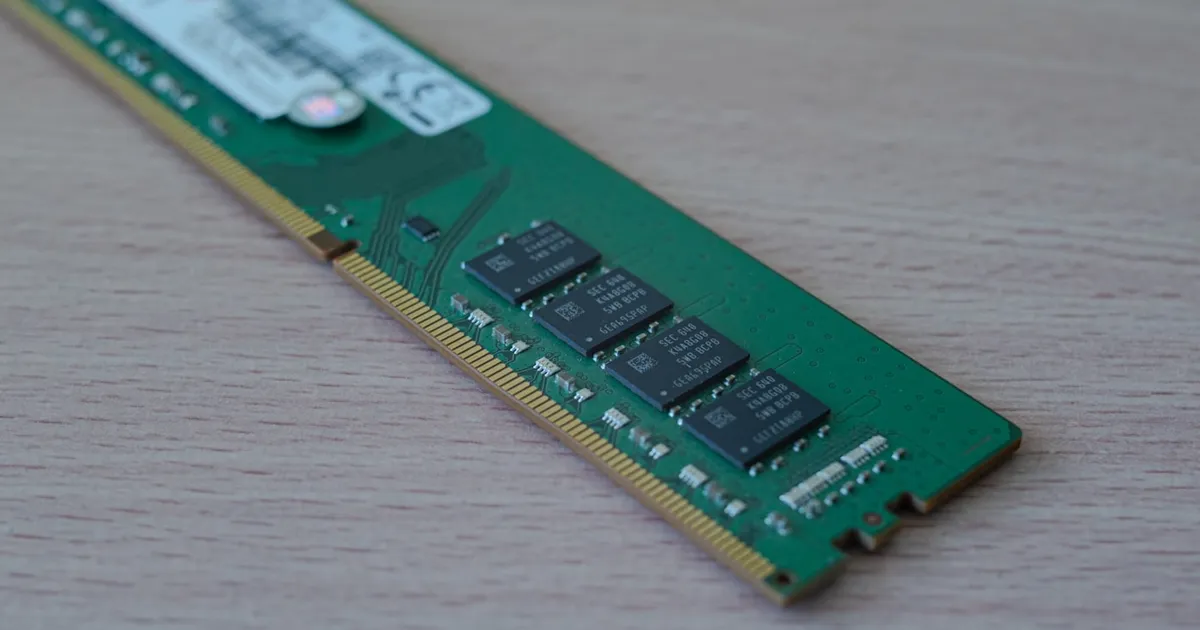
The AI boom now has a price tag consumers can read on a shelf. Amazon has quietly raised prices across its home-device lineup — Echo speakers, Kindle e-readers, Fire TV streamers, and eero mesh routers — with some models climbing by as much as 60%. The company attributed the increases to what it described as “significant increases in memory and storage component costs,” the same squeeze that has run through the semiconductor supply chain all year as data-center buildouts consume the world’s memory output.
The changes were made with little fanfare, appearing on product pages rather than in a launch event, and were first detailed in an exclusive report by Fortune. For a company that spent a decade selling hardware at or below cost to lock customers into its ecosystem, the move marks a strategic reversal — and a clear signal that the memory shortage reshaping enterprise budgets has finally reached the checkout cart.
What went up, and by how much
The increases land hardest on Amazon’s cheapest, highest-volume devices — the loss leaders that anchored its hardware strategy. According to prices listed on Amazon’s own storefront:
- The Echo Dot jumped from $49.99 to $79.99, a 60% increase on the company’s best-selling smart speaker.
- The Echo Show 11 rose from $219.99 to $249.99.
- The base 16GB Kindle climbed from $109.99 to $149.99, and the Kindle Paperwhite went from $159.99 to $199.99.
- The Fire TV Stick HD edged up from $34.99 to $39.99, while the Fire TV Stick 4K Max rose from $59.99 to $84.99.
Amazon’s eero Wi-Fi routers were also affected. The common thread across the lineup is memory: every one of these devices ships with DRAM and NAND flash storage, and both have been climbing in price for the better part of two years. Amazon said it absorbed the higher component costs for as long as it could before passing them through.
Why memory got so expensive
The culprit is not a factory fire or a shipping disruption but a deliberate reallocation of the world’s memory-manufacturing capacity toward artificial intelligence. Just three companies — Samsung, SK Hynix, and Micron — produce more than 95% of global DRAM, and all three have been systematically redirecting fabrication lines away from standard consumer-grade chips toward high-bandwidth memory (HBM), the specialized, stacked DRAM soldered next to every AI accelerator.
HBM commands far higher margins and is sold out well into the future, so every wafer a memory maker devotes to it is a wafer not making the commodity DDR that goes into a Kindle or a Fire TV Stick. The result is a supply crunch in exactly the low-cost memory that consumer electronics depend on. JPMorgan Global Research warned in August that hyperscalers’ AI data-center construction is absorbing an outsized share of global memory capacity, and analysts there project that DRAM prices will have risen more than 400% from the start of 2024 to the end of 2026.
That dynamic has been building all year. It drove the memory supercycle that sent Micron’s stock past $1,000, and it has pushed PC and handset makers into open competition for supply — a scramble that recently sent Chinese memory maker CXMT courting global PC brands as buyers hunt for alternatives to the big three. Amazon’s price hikes are the same squeeze, now visible to households rather than procurement departments.
The end of the loss-leader era
Amazon’s device business was never really about devices. For years the company sold Echo speakers, Fire tablets, and Kindles at thin or negative margins, treating the hardware as a doorway into Prime subscriptions, ad-supported content, Alexa voice shopping, and the broader retail flywheel. Cheap hardware in the home was the acquisition cost; the recurring services were the return.
That math only works when the hardware is cheap to build. A doubling of the memory bill on a $50 speaker breaks the model. By raising prices rather than eating the cost, Amazon is signaling that the component environment has shifted far enough that the subsidy is no longer sustainable — at least not at the old price points. It also removes some of the pricing air cover that made Amazon’s devices reflexively cheaper than rivals’ comparable products.
The timing is awkward for a consumer-facing category heading into the fall shopping season, when Amazon typically leans on aggressive device discounts to drive Prime sign-ups. Higher list prices leave less room to cut without erasing margin entirely.
A broader consumer squeeze
Amazon is the most visible name to move, but it is unlikely to be the last. Any manufacturer of memory-heavy consumer electronics — smartphones, laptops, tablets, gaming consoles, smart-home gear — faces the same input-cost pressure. PC makers have already flagged rising bills of materials, and several handset vendors have warned that entry-level models will be hit hardest, because memory is a larger share of a budget device’s cost than a premium one.
The mechanism is a striking illustration of how capital pouring into AI infrastructure ripples outward. The demand for accelerators to train and serve large models pulls memory capacity toward the data center; the data center’s appetite starves the consumer market; and the shortage surfaces, months later, as a higher price on a gadget that has nothing to do with AI. The same forces drove this summer’s memory-led market swings, when memory names whipsawed the broader tech tape.
What it means
Amazon’s price increases turn an abstract supply-chain story into a concrete one: the cost of building AI is now being partly paid at the consumer level, through pricier everyday electronics. That has three consequences worth watching.
For consumers, the era of ultra-cheap smart-home hardware is pausing, if not ending. Expect fewer aggressive device discounts and higher entry prices across the category through at least 2026, with budget models — where memory is the biggest slice of the build — seeing the steepest jumps. The winners are shoppers who already own their devices; the losers are anyone about to buy their first.
For Amazon, the move protects hardware margins but strains the flywheel logic that justified the business. If dearer devices slow the pace of new Echo and Fire installs, the downstream services revenue those installs were meant to seed slows too. Watch whether Amazon holds these prices through the holidays or reverts to subsidizing key doorbuster models to keep unit volume up.
For the memory market, consumer price hikes are confirmation that the crunch is real and broad, not confined to HBM. As long as Samsung, SK Hynix, and Micron keep steering capacity toward AI, commodity DRAM stays tight and prices stay elevated — good news for memory-maker earnings, bad news for anyone downstream. The key variable is new capacity: until fresh fabs come online and the mix rebalances, the squeeze that reached Amazon’s shelves this week has no obvious near-term relief.
The takeaway is simple and a little unsettling. The AI capital-expenditure boom was supposed to be a story about hyperscalers and chipmakers. It is now, quietly, a story about the price of a smart speaker.
Keep reading
 Kurumi · · 6 min read
 Korea Chip Exports Hit Record in August, Up 209%
South Korea's chip exports jumped 209% in August 2026 to a record $46.65B — nearly half of all exports — as hyperscaler AI spending drove demand.
 Kurumi · · 6 min read
 Micron Stock Tops $1,000 as AI Memory Rally Heats Up
Micron closed above $1,000 for the first time as SanDisk, Western Digital and chip-equipment makers rallied on surging HBM and DRAM demand.
 Kurumi · · 5 min read
 Samsung, SK Hynix Rally as KOSPI Chip Rebound Builds
The KOSPI jumped 3.7% as Samsung rose 6.7% and SK Hynix 5.5%, powered by a Temasek investment report, shareholder-return hopes and fading AI capex fears.