Supermicro Q4 FY2026 Earnings: Margins, Orders, Outlook
Supermicro's Q4 FY2026 gross margin nearly doubled to 17.6% and it booked $60B in new orders, sending shares up 15%. The numbers behind the SMCI rebound.
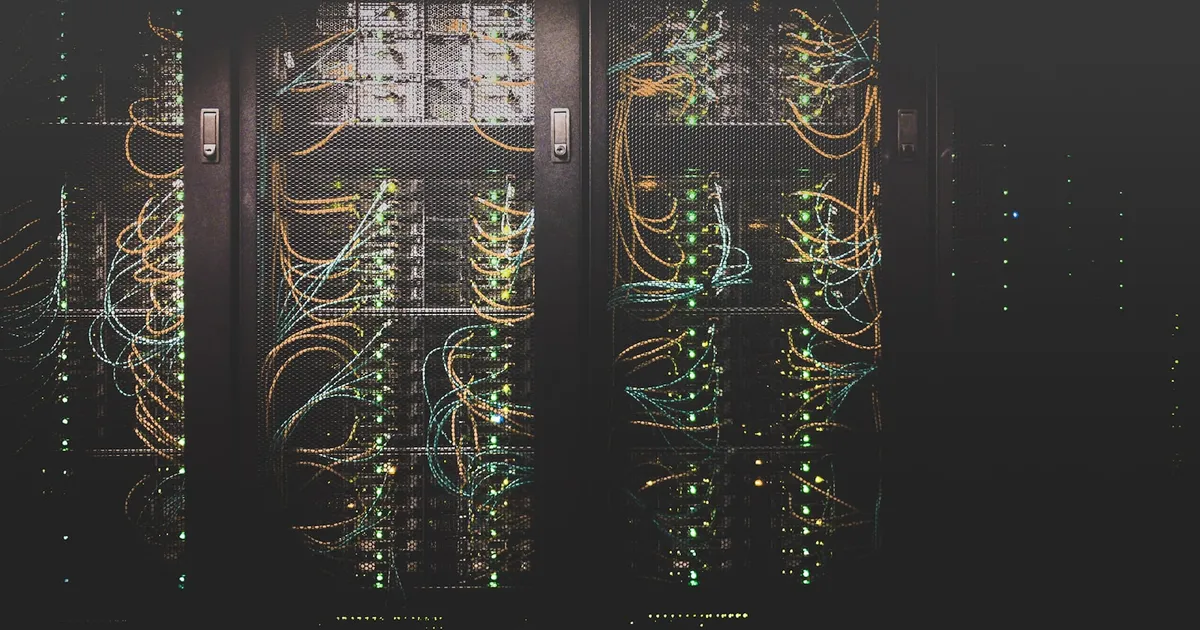
The company that builds the racks the AI boom runs on delivered the quarter its bulls had been waiting for. After the close on Tuesday, August 11, 2026, Super Micro Computer reported fiscal fourth-quarter results in which revenue nearly doubled, gross margin roughly doubled, and the order book swelled past levels the company had never disclosed before. Shares jumped about 15% on Wednesday, extending a rebound for a stock that had spent much of the past year in the doghouse. The print landed in the middle of an AI-infrastructure earnings cluster that had already produced a blowout from CoreWeave the same evening, and it reinforced the read that record data-center spending is arriving as real revenue.
The headline numbers
Supermicro posted fiscal Q4 revenue of $11.1 billion, up 93% from a year earlier, according to the company’s release. That figure came in roughly in line to slightly below the $11.2 billion Wall Street had modeled — the one soft spot in the report, as some shipments of the newest AI systems slid across the quarter-end. On profitability, the company far exceeded expectations: non-GAAP earnings of $1.70 per share cleared the roughly $1.59 analysts had penciled in.
The single most striking line was the margin. Non-GAAP gross margin climbed to 17.6%, up from about 9.5% a year earlier and roughly 9.9% in the prior quarter — and well above the 8.4% the company had guided to for the period. For a business long defined by razor-thin hardware margins, a near-doubling of gross profitability is the kind of move that changes the earnings math entirely. Management attributed the swing to a richer product mix, better component pricing, and a doubling of enterprise customers as a share of the base to roughly 50%.
Charles Liang, Supermicro’s founder, president, and chief executive, framed the year as validation of the company’s build-out. “Our Total AI/IT Solutions strategy continues to deliver strong results,” he said in the release. “We added several hundred enterprise and other customers in the past year, generated more than $60 billion in new orders, and booked record backlog entering fiscal 2027.”
The order book is the story
Revenue and margin drove the beat, but the number that re-rated the stock was the order flow. Supermicro said it took in more than $60 billion in new orders during the fourth quarter and entered the new fiscal year with a record backlog — a measure of contracted future business that dwarfs any quarterly revenue figure the company has ever reported. For a hardware maker, that kind of forward visibility is unusual, and it is precisely what investors have been demanding as proof that the AI trade rests on committed demand rather than speculative order flow.
That echoes the dynamic playing out across the sector. The AI-infrastructure names that led Wall Street’s strongest run in months have been re-rating on backlog, not beats — the same pattern that lifted CoreWeave’s stock on its own $104 billion order book reported the same evening. Supermicro sits one layer down the stack: it integrates GPUs, memory, networking, and cooling into the finished systems that neoclouds and enterprises actually deploy, which makes its order book a leading indicator for how much compute the industry intends to stand up.
A record year, but a bumpy one
For the full fiscal year ended June 30, Supermicro reported record revenue of $39.1 billion, up 78% from $22 billion the year before. Full-year gross margin, however, told a more sobering story than the fourth quarter alone: it came in at 10.8%, roughly flat with the prior year, a reminder that the striking Q4 margin was a step-change late in the year rather than a full-year trend. The company has spent the year absorbing the cost of transitioning its manufacturing to the newest liquid-cooled, high-density AI platforms, and the margin recovery in the final quarter suggests that investment is beginning to pay off.
The year was not without turbulence. Supermicro’s stock had fallen roughly 30% over the trailing twelve months heading into the report, weighed down by margin compression, the cost of ramping next-generation systems, and lingering questions about competition as more server vendors chase the same AI demand. Wednesday’s move recovered a meaningful chunk of that decline in a single session, but it left the stock still well below its earlier highs.
The guidance is where it gets aggressive
If the fourth quarter reset the narrative, the guidance rewrote it. For the current quarter — fiscal Q1 2027 — Supermicro projected net sales of $14.5 billion to $15.5 billion, roughly $3 billion above the $11.9 billion analysts had expected. A guide that far ahead of consensus is rare, and it implies management sees the delayed fourth-quarter shipments landing in the current period on top of accelerating new demand.
The full-year outlook was more striking still. Supermicro guided to fiscal 2027 revenue of $65 billion to $72 billion, against an LSEG analyst consensus of roughly $52.5 billion — an outlook that, at the midpoint, sits nearly $16 billion above what Wall Street had modeled. Taken at face value, the guidance implies revenue growth of roughly 75% on top of a year that already grew 78%, a trajectory that would keep Supermicro among the fastest-scaling large-cap hardware companies in the market.
Guidance that aggressive carries its own risk: it raises the bar the company must clear each quarter, and any slip in component supply, cooling capacity, or customer timing now disappoints against a number management set deliberately high. The Q4 revenue miss — small, and driven by timing — is a preview of how quickly the market will punish execution stumbles when expectations are pinned this far above consensus.
How the print fits the tape
The results arrived on a day the broader market was already leaning risk-on. The July inflation report released Wednesday morning showed consumer prices rising a benign 0.1% on the month, cooling the near-term case for a Fed rate hike and lifting the Nasdaq. Against that backdrop, a cluster of AI-infrastructure beats — Supermicro, CoreWeave, and the neocloud provider Nebius, whose Q2 revenue surged 454% in its own report — gave bulls exactly the confirmation they wanted: that the capital pouring into data centers is showing up as booked orders and expanding margins rather than inventory.
Supermicro’s specific role in that story is as the assembler of the physical systems. Its margin recovery matters because it suggests the company can build the newest Rubin- and Blackwell-generation platforms without giving away all the value to the chipmakers upstream — a persistent worry for a business that sits between component suppliers with pricing power and hyperscale buyers with scale leverage.
What it means
Supermicro’s quarter reframed a stock the market had largely written off. The near-doubling of gross margin is the most important detail, because it addresses the longest-running bear argument — that Supermicro is a low-margin box-builder with no durable pricing power. One quarter does not settle that debate, and the flat full-year margin is a reminder that Q4 was a step-change, not an established trend. But it is the first hard evidence that the company’s move up the stack toward complete AI systems, with more enterprise customers and richer configurations, can widen margins rather than just grow revenue.
The winners are Supermicro shareholders, who recovered a chunk of a brutal year in a single session, and the broader AI-hardware complex, which got another data point that record hyperscaler capital spending is converting into committed orders. The risk sits squarely in the guidance. By setting a fiscal 2027 outlook nearly $16 billion above consensus, management has left itself little room for error: the delayed shipments must land, the margin gains must hold, and component and cooling supply must keep pace with a growth rate few hardware companies have ever sustained.
What to watch next: whether the current quarter’s revenue actually reaches the $14.5-to-$15.5-billion guide, whether the 17.6% gross margin proves repeatable or fades back toward the full-year 10.8%, and whether the record backlog converts on schedule or slips again as the newest liquid-cooled systems ramp. The order book says the demand is there. The open question, as it has been for Supermicro all year, is execution.
Keep reading
 Kurumi · · 6 min read
 Broadcom Q3 2026 Earnings: AI Chips Triple, Stock Dips
Broadcom's fiscal Q3 2026 revenue hit a record $29.6B as AI chip sales more than tripled to $16.7B, but light Q4 guidance sent the stock lower.
Kurumi · · 5 min read Marvell Q2 Earnings: Record $2.74B, Raised Guidance
Marvell posted record Q2 FY2027 revenue of $2.74B on a 46% data center surge, raised its outlook again, and guided Q3 to $3.15B. The numbers and what they mean.
 Kurumi · · 6 min read
 Alibaba Earnings: AI Cloud Jumps 45%, Profit Drops 75%
Alibaba's June-quarter revenue rose 9% and cloud grew 45% on AI demand, while net income fell 75% as capex surged to nearly $10B. Full breakdown.