Anthropic Lambda $35B Deal: Texas Data Center, Nvidia Twist
Anthropic signed a six-year, $35B cloud deal with Nvidia-backed Lambda for 350MW at a Hut 8 site in Texas. Here's the structure and the circular-financing question.
Anthropic has signed one of the largest cloud contracts yet disclosed by an AI developer — and it runs through a former Bitcoin miner and a chip company that is on nearly every side of the transaction. On August 31, 2026, multiple outlets reported that the maker of Claude agreed to a six-year, $35 billion cloud agreement with Lambda, a Nvidia-backed AI infrastructure provider, for roughly 350 megawatts of Nvidia-powered computing capacity at a data center in Nueces County, Texas.
The site is being developed by Hut 8, the Nasdaq-listed company that spent years as a cryptocurrency miner before pivoting its power-rich footprint into AI hosting. It sits inside Hut 8’s Beacon Point campus, a facility the company has described as scaling toward 1 gigawatt of capacity. The 350MW Anthropic will draw is the first major tenant commitment to be attached publicly to that build.
The structure
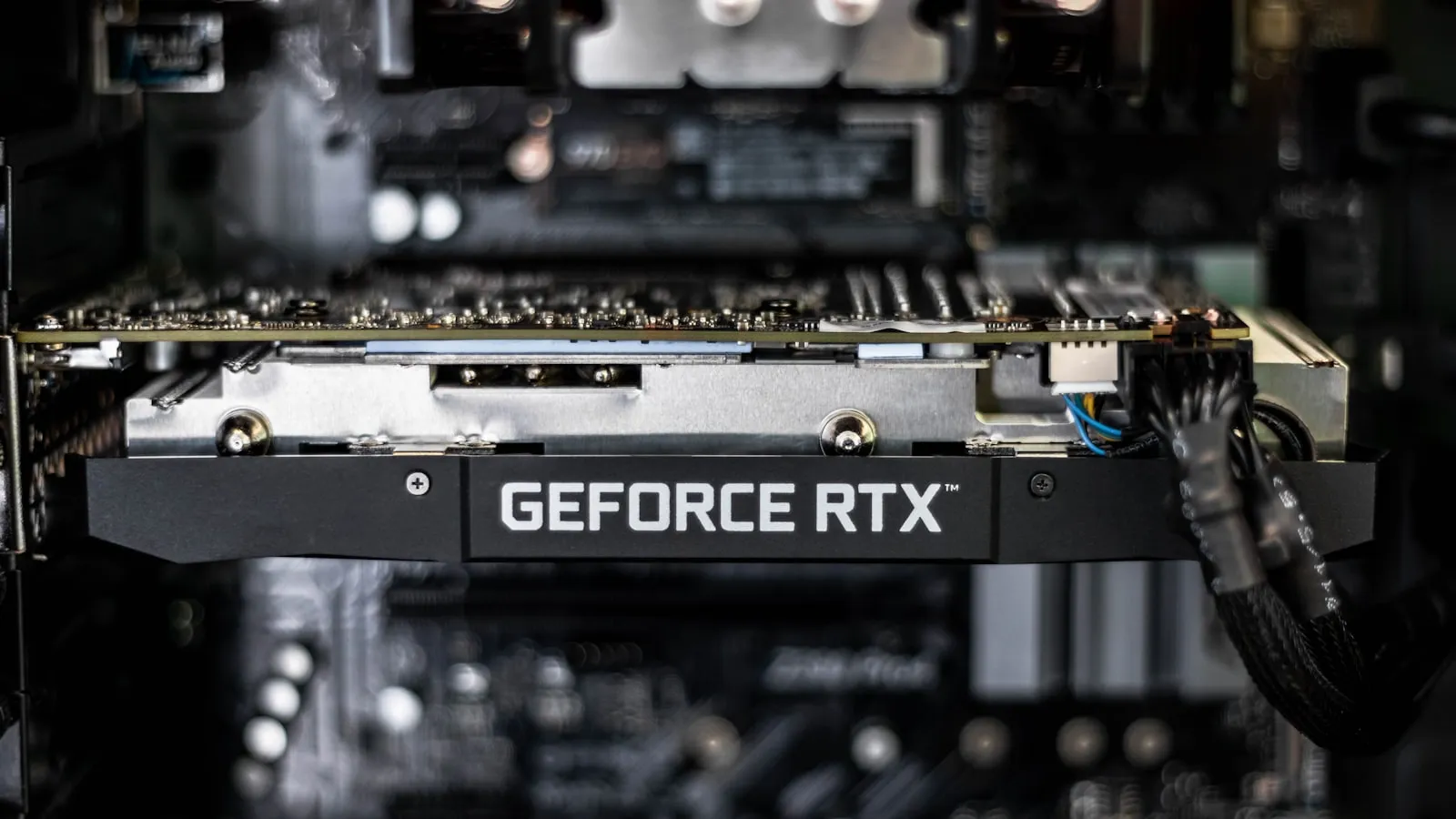
The mechanics of the deal are where it gets unusual. According to the reporting, Nvidia holds the lease on the Texas facility, Lambda installs Nvidia chips there and operates the cloud, and Anthropic buys the resulting compute under a multi-year contract. Hut 8 develops and powers the physical site. That places Nvidia in at least three roles at once: it supplies the accelerators, it is a backer of the cloud tenant buying those accelerators, and it holds the real-estate lease that houses them.
The $35 billion headline is a purchase commitment stretched across the six-year term, not an upfront payment. In practice it functions as a take-or-pay arrangement: Anthropic guarantees to buy a defined slug of capacity, and that guarantee is what lets a provider like Lambda finance the hardware and construction in the first place. It is the same financing pattern that has defined the 2026 buildout, in which a signed contract from a creditworthy AI lab becomes collateral for the debt that funds the GPUs.
For Hut 8, the arrangement is a validation of a strategy the company bet its future on. Bitcoin miners spent the last two years discovering that their most valuable asset was never the mining rigs — it was the interconnected power and land they had assembled to run them. Converting that footprint into AI data centers turns a volatile, halving-exposed revenue stream into long-dated, contracted cash flow from customers like Anthropic. Hut 8’s stock rose on the news.
Why Anthropic keeps signing these
The Lambda contract is the latest entry in a compute portfolio that has grown remarkably long, remarkably fast. Anthropic already leases capacity from Amazon Web Services and Google Cloud, its two largest strategic partners, and has layered specialist deals on top: a six-year, $10 billion agreement with Volta for Nvidia Vera Rubin capacity in Norway, reported talks with Meta for up to $10 billion of leased compute, and a 300-megawatt arrangement to use SpaceX’s Colossus facility in Memphis.
The logic behind the sprawl is straightforward. Training frontier models — and, increasingly, serving inference to a customer base generating tens of billions in annualized revenue — requires accelerators at a scale no single vendor can guarantee on Anthropic’s timeline. Spreading commitments across AWS, Google, SpaceX, Volta, and now Lambda reduces the risk that any one delay — a fab slip, a power-interconnect holdup, a shortage in high-bandwidth memory — starves the model roadmap. Redundant, overlapping contracts are how a lab guarantees it can keep shipping.
That roadmap is expensive, and the market knows it. Anthropic confidentially filed for an IPO earlier in the summer, reportedly valued near $965 billion with roughly $47 billion in annualized revenue. When the full prospectus lands, multi-year purchase obligations like the Lambda deal will appear as long-term commitments — the line items that reveal how much of a frontier lab’s future cash is already spoken for before a single new customer signs.
The circular-financing question
The recurring criticism of these arrangements is that money and hardware keep moving in a loop with Nvidia at the center. Nvidia invests in or backs the cloud provider; the provider buys Nvidia chips; the chips serve a customer whose contract is what justified buying the chips; and in this case Nvidia also holds the lease on the building. Bears look at that and see demand being manufactured — a chipmaker seeding its own order book and booking the result as end-market growth.
The counterargument is that the underlying demand is real. Anthropic is not a shell buying capacity it will never use; it is a lab with a large, growing, paying customer base that has repeatedly run short of compute. Nvidia’s willingness to underwrite and house the capacity simply accelerates a buildout the market would demand anyway, the bulls say — it is ecosystem seeding, not round-tripping. Both descriptions capture something true, which is exactly why the structure keeps drawing scrutiny.
What is not in dispute is the direction of the trend. Deal by deal, the AI compute layer is being funded less by hyperscaler operating cash flow and more by contracts, leases, and credit — instruments that convert future AI revenue into present-day construction. That unlocks capacity fast. It also threads AI demand risk into balance sheets and, increasingly, into lenders. The health of these arrangements ultimately rests on the economics of the data centers themselves: power costs, utilization, and how quickly the GPUs inside depreciate.
What it means
The Lambda deal is a small story about a Texas power site and a large story about how the AI economy now finances itself.
For Anthropic, it is diversification, not excess. Adding a 350MW Texas cluster to a portfolio that already spans AWS, Google, SpaceX, and Volta is a hedge against the one failure mode that can stop a frontier lab: running out of compute at the wrong moment. Expect the list to keep growing through the IPO process, because durable, multi-sourced capacity is precisely what public-market investors will want to see when they price a pure-play AI lab.
For Nvidia, it is the ecosystem strategy taken to its logical extreme. By supplying the chips, backing the tenant, and holding the lease, Nvidia converts a single data center into guaranteed demand for its own hardware while controlling the terms on which that demand is met. This is how the company keeps its next-generation platforms sold out before they ship — and why its influence now reaches far beyond selling silicon into shaping who gets to buy it and where it runs. It also concentrates a great deal of the AI trade’s risk in one company’s orbit.
For Hut 8 and its peers, it is proof the pivot works. The crypto-to-AI conversion — take stranded or cheap power, add cooling and interconnect, sign a long-dated tenant — is turning miners into landlords for the compute boom. That is a more stable business than mining ever was, but it ties their fortunes to the same AI demand curve as everyone else’s.
The winners today are easy to name: Anthropic locks in capacity, Lambda lands a marquee customer, Hut 8 monetizes its power, and Nvidia sells more chips into a deal it helped structure. The question the rest of 2026 will keep asking is who is holding the risk when demand growth slows — and in deal after deal, more of that risk is being packaged into contracts and credit rather than paid for in cash. Watch the obligations in Anthropic’s eventual prospectus, not the press release.
Tagged
Keep reading
 Chisato · · 5 min read
 Anthropic Volta $10B Compute Deal: What to Know
Anthropic signed a $10B, six-year deal for 121MW of Nvidia Vera Rubin capacity at a Bitdeer data center in Norway, delivered by Volta. Here's the breakdown.
Chisato · · 5 min read Nvidia Australia AI Factories: 2 GW Buildout by 2027
Nvidia lined up eight Australian data center operators to build up to 2 GW of AI factory capacity by 2027, roughly doubling the nation's compute footprint.

 Kurumi · · 6 min read
 Starcloud Raises $250M for Orbital AI Data Centers
Starcloud raised $250M at a $2.3B valuation, with Nvidia joining, to build AI data centers in orbit. Why space compute is drawing capital now.