What Are Dark Pools? Private Stock Trading Explained
A dark pool is a private venue where buy and sell orders are matched without being shown publicly beforehand. Why they exist and who actually uses them.
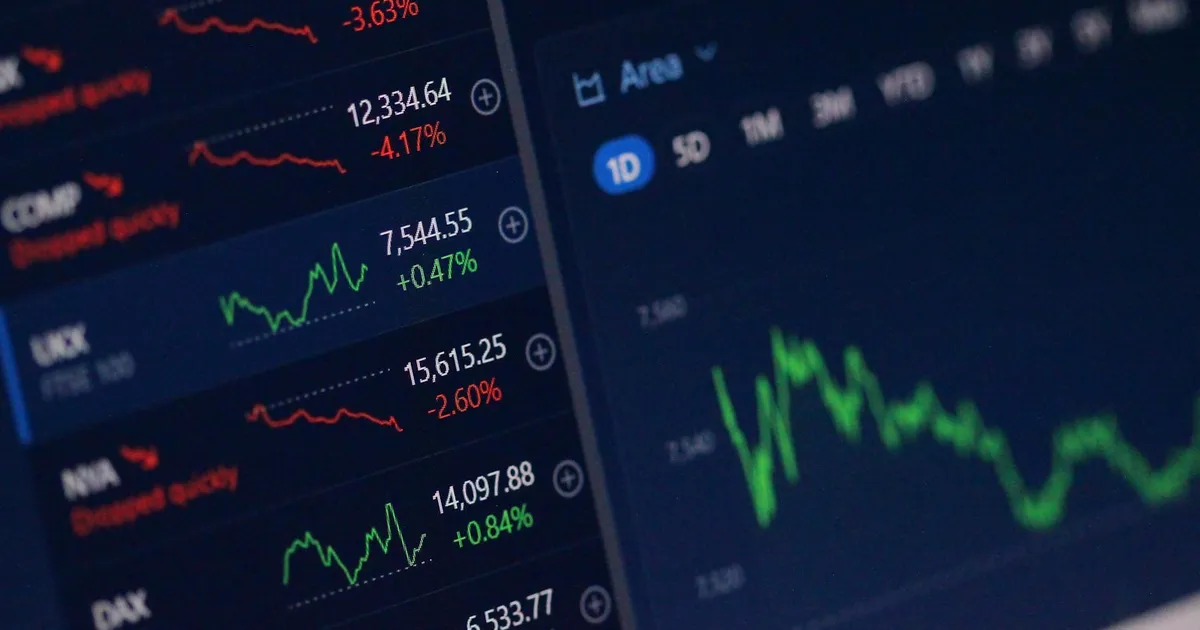
A dark pool is a private trading venue where buy and sell orders are matched without being displayed publicly before the trade executes. On a public exchange, a pending order is visible in the order book — anyone can see that someone wants to buy or sell a given size at a given price. In a dark pool, that same order is invisible until after it’s filled, which is where the name comes from: the order flow is “dark” to the rest of the market.
Why anyone would want an invisible order
The core reason dark pools exist is to let large investors trade big blocks of stock without moving the price against themselves in the process. If a pension fund needs to sell a million shares of a mid-cap stock on a public exchange, placing that order openly signals a huge amount of supply is about to hit the market — other traders see it and adjust their own orders in anticipation, often pushing the price down before the seller’s own order is even fully executed. This effect, sometimes called market impact or price slippage, can cost a large trader real money simply because their intentions were visible in advance.
By routing that same order to a dark pool, the seller can find a matching buyer (or several) without tipping off the rest of the market. The trade still eventually gets reported to the consolidated tape — public trade data — but only after execution, once the price impact of pre-announcing a huge order can no longer happen.
Who uses them and how
Dark pools are typically operated by large broker-dealers, independent trading firms, or exchange operators themselves, and they’re used almost exclusively by institutional investors — pension funds, mutual funds, hedge funds — rather than individual retail traders placing small orders through a brokerage app. A retail order for a hundred shares doesn’t move the market enough to justify the friction of routing it somewhere other than the public exchange; a million-share institutional order is a different story entirely.
Inside a dark pool, orders are typically matched at a reference price pulled from the public market — often the midpoint between the current public bid and ask — rather than through the venue’s own open price discovery. That’s a meaningful structural difference from an exchange: a dark pool generally doesn’t set prices itself, it borrows the price that public trading already established and simply finds a private counterparty at that price.
Dark pools vs public exchanges
| Public exchange | Dark pool | |
|---|---|---|
| Order visibility | Visible in the public order book before execution | Hidden until after the trade executes |
| Price discovery | Sets prices through open bidding | Typically references a price set elsewhere |
| Typical participants | Retail and institutional | Almost entirely institutional |
| Purpose | General trading, transparent price formation | Executing large orders with minimal market impact |
| Post-trade reporting | Immediate, public | Reported after execution, with some delay allowed |
The tradeoff: less market impact, less transparency
The benefit to the institutions using dark pools is real — the whole point is to avoid the cost of moving the market against your own order. But that benefit comes from a genuine reduction in transparency: pre-trade information that would otherwise be public (the size and direction of a large pending order) simply isn’t visible until the trade is done. Critics of dark pools argue that when a large enough share of total trading volume happens away from public exchanges, the public price itself becomes a less complete signal, since a meaningful chunk of the supply and demand behind it never showed up in the visible order book at all.
This is part of why dark pools are regulated (in the US, they operate as Alternative Trading Systems under SEC oversight) rather than existing outside the rules that govern public exchanges — they’re a different mechanism for executing a trade, not an unregulated shadow market. The trades still ultimately become public information, and the venues themselves are subject to reporting requirements, even though the pre-trade order isn’t visible the way it would be on a lit exchange.
Dark pools and everyday investors
For someone buying shares through a typical retail brokerage, dark pools mostly operate in the background rather than as something to interact with directly. A retail broker may route a customer’s order through various venues in search of the best execution, and a dark pool operated by a large market maker could occasionally be one of them — but the mechanics of choosing where to route an order, weighing the bid-ask spread and available liquidity, are handled by the brokerage’s execution logic rather than something an individual investor configures.
Dark pools are a separate concept from a limit order versus a market order, which describes the type of instruction an investor gives about price and timing — a dark pool is about where and how visibly an order is matched, not what kind of order it is. Understanding what a market maker does helps clarify the broader picture too: dark pools are one more venue in the same ecosystem of intermediaries that connect buyers and sellers, alongside public exchanges and the market makers that provide liquidity on them.
The takeaway
A dark pool is a private venue where large trades are matched away from public view, letting institutional investors move big blocks of stock without signaling their intentions to the rest of the market and moving the price against themselves in the process. That reduced market impact for large traders comes paired with reduced pre-trade transparency for everyone else — a tradeoff regulators manage through reporting requirements rather than by keeping the mechanism out of the market entirely.
Tagged
Keep reading

 Kurumi · · 5 min read
 Accretive vs Dilutive Acquisitions: How M&A Affects EPS
An accretive acquisition raises the buyer's earnings per share; a dilutive one lowers it. How accretion/dilution analysis works and where it misleads.
 Kurumi · · 5 min read
 What Is the Cash Conversion Cycle? CCC, Explained
The cash conversion cycle measures how many days a company's cash is tied up in inventory and receivables before it comes back. How to calculate and read it.
 Kurumi · · 5 min read
 What Is a Dual-Class Share Structure?
A dual-class share structure gives some shares more votes than others, so founders keep control with a minority stake. How it works and the trade-offs.