EU AI Gigafactories: €30B Tender, Sites, Timeline
The EU opened a tender for up to seven AI gigafactories backed by €10B in public funds, aiming to unlock €30B and narrow the US-China compute gap.
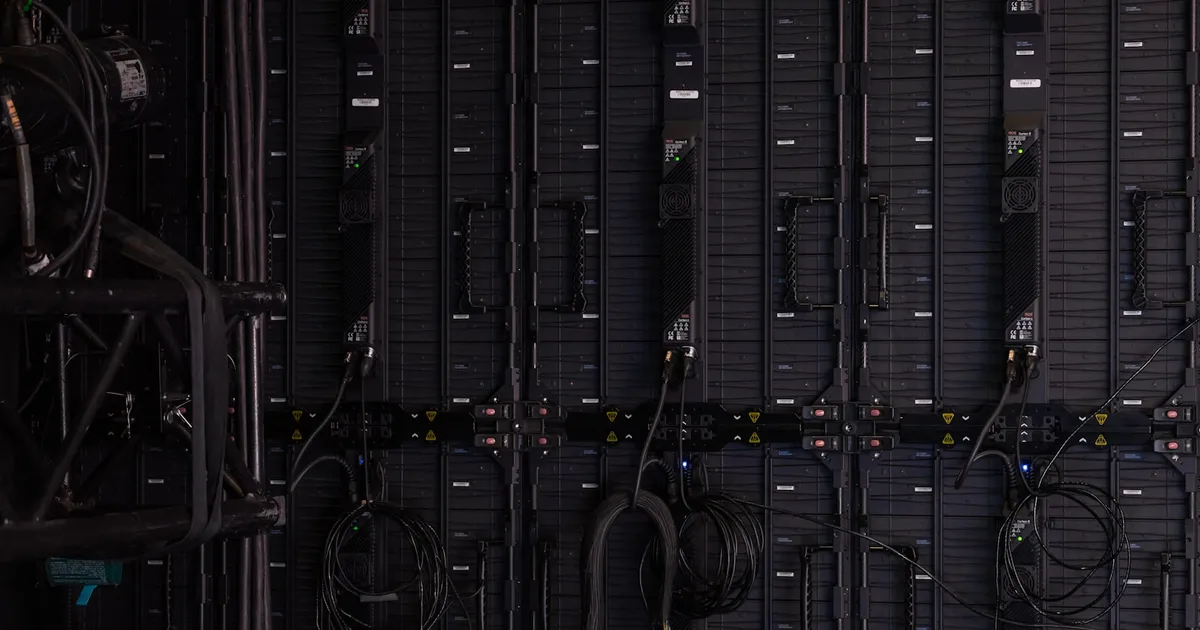
Europe is making its biggest single bet yet on catching up in artificial intelligence. On Thursday, July 30, 2026, the European Commission opened a formal call for bids to build up to seven AI “gigafactories” across the bloc — large-scale computing campuses designed to train and run frontier AI models. Brussels is putting up to €10 billion of public money on the table and expects the projects to unlock more than €30 billion in total investment once private capital is added. Bids close on November 12, 2026, with awards expected in early 2027 and construction due to begin the same year.
What the Commission announced
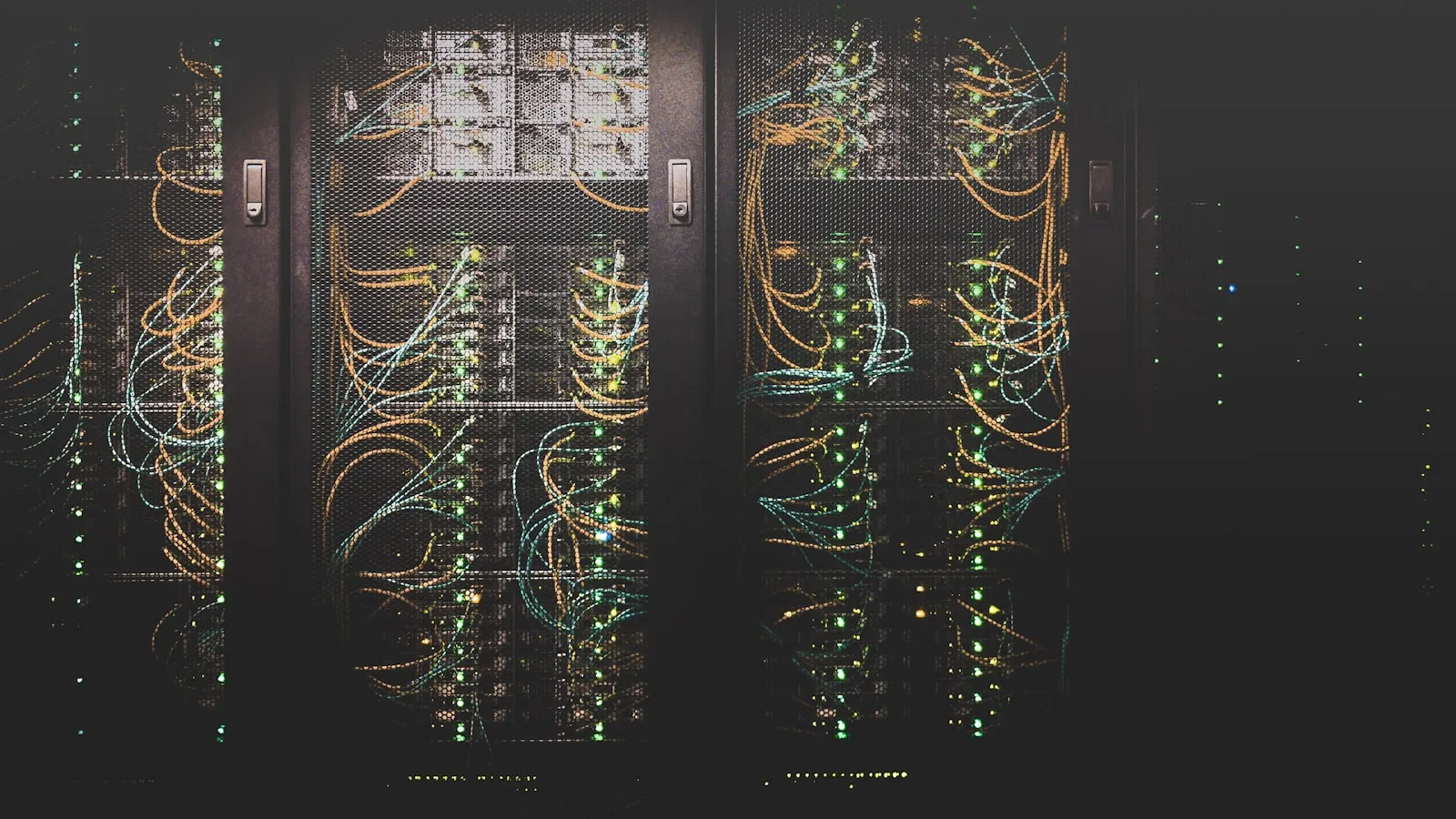
An AI gigafactory, in the Commission’s framing, is not a single data center but a full-stack compute campus: at least 100,000 latest-generation AI chips per site, plus the power, cooling, networking, and operations to keep them running. The stated purpose is to give European startups, scale-ups, small and medium-sized enterprises, industry, academia, and public authorities access to the kind of large-scale infrastructure needed for training, inference, and fine-tuning advanced models — capacity that today is concentrated in a handful of US and Chinese hyperscalers.
The financing is structured in two lots with tiered public support. Projects in the first lot are eligible for up to €100 million in early-stage EU funding, rising to as much as €400 million per project in a second phase. The larger second lot offers up to €200 million initially and as much as €800 million further down the line. The public money — drawn from EU programs and national government budgets — is meant to de-risk the projects enough to pull in private investors, who the Commission expects to supply roughly €20 billion on top of the public €10 billion.
The initiative sits under the Commission’s broader push for technological sovereignty led by Henna Virkkunen, the executive vice-president responsible for tech and digital policy. The pitch is explicit: Europe wants its own frontier-scale compute so that its companies and researchers are not wholly dependent on infrastructure owned and operated abroad.
The demand is already there
The appetite for this program is not hypothetical. Before the formal tender, the Commission ran a preliminary expression-of-interest process in the spring of 2025 that it described as “overwhelming.” That earlier call drew 76 responses from consortia spanning 16 member states and roughly 60 candidate sites — data-center operators, telecom carriers, power suppliers, and both European and global technology and financial partners. Collectively, those respondents projected demand for at least three million of the latest GPUs.
Countries angling to host the facilities include Germany, France, Italy, Spain, and Poland, among others, with groups from Austria, the Netherlands, and Czechia also in the mix. The individual bids remain confidential, and the Commission has not published a shortlist of sites; the November tender is where those tentative interests must turn into concrete, financed proposals.
Why Europe is spending now
The strategic logic is straightforward. The frontier of AI has become a capital and compute race, and the sums involved dwarf what any single European firm has committed. In the United States, individual campus deals now run into the hundreds of billions — Nvidia is negotiating a roughly $250 billion financing backstop for a single OpenAI data-center build, and hyperscalers are raising their annual capital-expenditure plans well past the $200 billion mark. China, for its part, has committed hundreds of billions to domestic AI infrastructure as it builds out compute on home-grown chips.
Against that backdrop, €30 billion spread across seven sites is modest — and the Commission knows it. The gigafactories are less an attempt to out-spend the US and China than to ensure Europe has sovereign capacity at all: infrastructure governed by European rules, accessible to European institutions, and not subject to the export controls, pricing, or prioritization decisions of foreign providers. It is the compute-layer complement to the bloc’s regulatory agenda, which already includes enforcement of the EU AI Act’s rules for general-purpose models.
The problems money alone won’t solve
The tender lands into a set of constraints that funding cannot immediately fix.
The first is power. A campus running 100,000-plus accelerators draws enormous, continuous electricity, and Europe’s grids — with higher industrial energy prices than the US and slower permitting for new generation and transmission — are a structural disadvantage. The same demand curve that has strained utilities around US data-center clusters applies with sharper edges in Europe. Where the power comes from, at what price, and how quickly it can be connected are the questions that will separate viable bids from paper ones.
The second is chips. Sourcing three million or more cutting-edge accelerators means competing for the same scarce supply of high-end GPUs and high-bandwidth memory that every hyperscaler on earth is buying. Europe has no domestic frontier-chip maker at the leading edge, so the gigafactories will, at least initially, be built on hardware designed in the US and manufactured in Asia — a dependency the sovereignty framing does not erase.
The third is speed. With bids closing in November, awards in early 2027, and construction only then beginning, the first European gigafactories will not come online for years. In a field where model generations turn over in months, the risk is that the infrastructure arrives calibrated to a frontier that has already moved.
How it fits the sovereignty push
The gigafactories are one piece of a wider European effort to keep advanced AI within reach of its own institutions. The bloc has courted arrangements like Microsoft and Mistral’s sovereign-AI cloud for Europe, tightened rules on the most capable models, and repeatedly framed compute access as a matter of economic security rather than industrial policy alone. The through-line is a recognition that regulation without infrastructure leaves Europe setting rules for systems it cannot itself build or run at scale.
What it means
The gigafactories tender is the clearest signal yet that Europe intends to compete on AI infrastructure, not just govern it — but the terms of that competition are unforgiving. €30 billion is real money and a genuine break from the bloc’s usual caution, yet it is a fraction of what a single US hyperscaler now spends in a year. The initiative’s success will hinge less on the headline figure than on execution: whether consortia can secure firm power contracts, lock in scarce chips, and break ground fast enough to matter.
The likely winners are European cloud operators, telecoms, and power suppliers positioned to anchor bids, along with the startups and research institutions that would gain subsidized access to frontier-scale compute they could never afford alone. The chipmakers who supply the accelerators win regardless of who hosts the sites. The open question is whether the projects deliver sovereignty in practice or simply subsidize European-branded campuses running on foreign silicon and strained grids.
What to watch next: the composition and credibility of the November bids, especially their power and chip-supply commitments; which member states emerge as hosts; and whether Brussels can compress the 2027-and-beyond timeline. If the gigafactories come online late and under-powered, Europe will have spent €30 billion to arrive at a frontier that has already moved on. If they land on schedule with secured energy, they could give the continent its first real seat at the compute table.
Tagged
Keep reading
 Chisato · · 5 min read
 Nvidia Australia AI Factories: 2 GW Buildout by 2027
Nvidia lined up eight Australian data center operators to build up to 2 GW of AI factory capacity by 2027, roughly doubling the nation's compute footprint.

 Kurumi · · 4 min read
 Mistral €3B Series D: Samsung, Valuation, What to Watch
Mistral raised €3 billion led by Samsung at a €21B+ valuation — Europe's largest tech round. Here are the investors, the numbers, and the strategy behind it.
 Chisato · · 6 min read
 Anthropic Lambda $35B Deal: Texas Data Center, Nvidia Twist
Anthropic signed a six-year, $35B cloud deal with Nvidia-backed Lambda for 350MW at a Hut 8 site in Texas. Here's the structure and the circular-financing question.