What Is an IPO? How Companies Go Public
An IPO is when a private company sells shares to the public for the first time and lists on an exchange. How the process works, and what changes after.
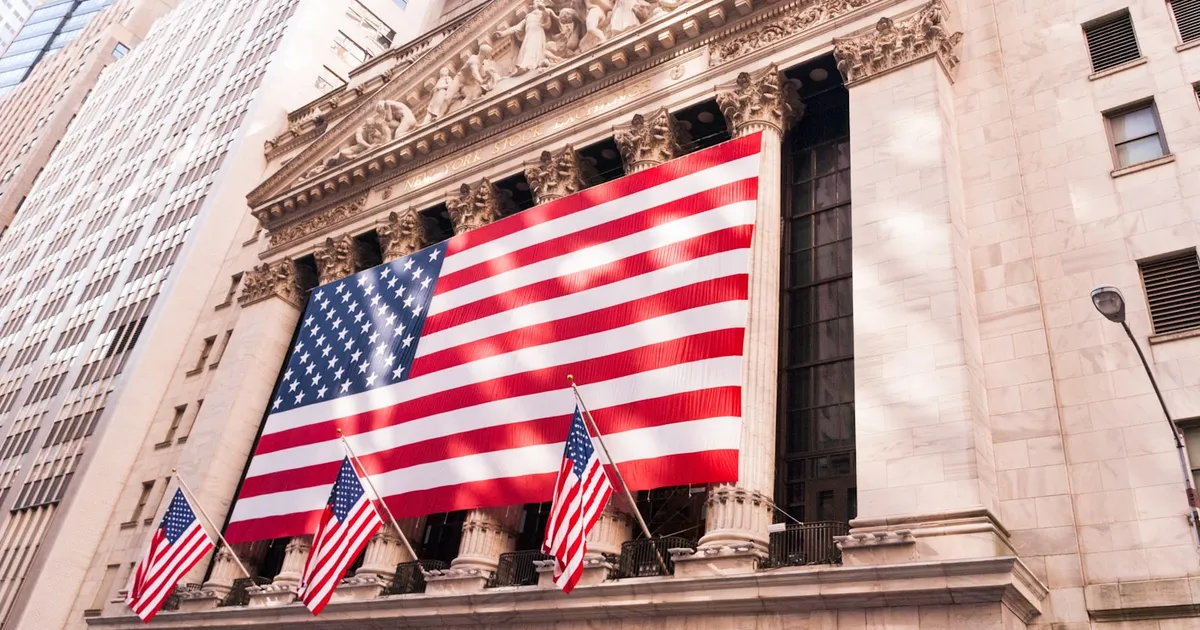
An IPO — initial public offering — is the process by which a private company sells shares to the public for the first time and lists them on a stock exchange, converting from privately held to publicly traded. Before an IPO, ownership is concentrated among founders, employees, and private investors like venture capital firms; after, anyone can buy shares on the open market, and the company takes on a new set of disclosure and reporting obligations that come with being public.
Why a company goes public
Going public is a major structural decision, and companies usually do it for some combination of these reasons:
- Raising capital without taking on debt. Selling equity brings in cash the company doesn’t have to repay, unlike issuing a bond.
- Liquidity for early investors and employees. Founders, venture investors, and staff holding restricted stock or options that have finished vesting generally can’t sell their stake easily while the company is private — a public listing creates a market where they finally can, usually after a lock-up period.
- Acquisition currency and compensation. Publicly traded stock is easier to use for acquiring other companies and for ongoing employee compensation than privately-valued equity, which requires a fresh valuation exercise every time it changes hands.
- Visibility and credibility. Being listed on a major exchange raises a company’s public profile with customers, partners, and the press in a way private status doesn’t.
The mechanics of going public
A traditional IPO follows a fairly standard sequence:
- The company hires one or more investment banks to act as underwriters.
- The company files a registration statement — a detailed prospectus disclosing financials, risks, and business operations — with the relevant securities regulator.
- Company management and underwriters run a roadshow, pitching the offering to institutional investors to gauge demand.
- Based on that demand, the underwriters and company agree on an initial offering price for the shares.
- Shares begin trading on the exchange. The market’s opening trade price and the underwriters’ offering price often diverge — sometimes significantly — depending on how demand played out.
IPO vs direct listing vs SPAC merger
A traditional underwritten IPO isn’t the only route to a public listing. Two common alternatives work differently enough that it’s worth distinguishing them:
| Traditional IPO | Direct listing | SPAC merger | |
|---|---|---|---|
| New shares issued | Yes, underwritten and sold | No — existing shares only | Yes, issued as part of the merger |
| Underwriters | Yes, manage the offering | Typically none | No traditional underwriting process |
| New capital raised | Yes | No new capital raised | Yes, from the SPAC’s trust account |
| Price discovery | Negotiated with underwriters ahead of trading | Set by a market open auction | Negotiated directly in the merger agreement |
A SPAC is a shell company that’s already public and merges with a private operating company to take it public indirectly, which is a meaningfully different mechanism than either an IPO or a direct listing even though the end result — a newly public company — looks similar from the outside. All three routes sit downstream of however the company financed itself while still private, which is its own separate story — see how startup funding rounds work for that earlier stage.
What changes after the IPO
Once public, a company takes on ongoing disclosure obligations — quarterly and annual financial reporting, material event disclosures, and scrutiny that private companies simply don’t face. Its value is now continuously priced by the market rather than periodically negotiated in private funding rounds, visible in real time through metrics like market cap and the P/E ratio. Insiders are typically subject to a lock-up period — commonly a matter of months — during which they’re contractually restricted from selling shares, which is meant to prevent a flood of insider selling from depressing the price immediately after the listing.
The takeaway
An IPO converts a company from privately held to publicly traded by selling shares on an exchange for the first time, through a process that’s been standardized around underwriters, a prospectus, and a roadshow — though direct listings and SPAC mergers offer different paths to the same destination. Going public raises capital and creates liquidity for existing stakeholders, but it also permanently changes the company’s obligations: continuous market pricing and public disclosure replace the privately-negotiated valuations and closed cap tables of its pre-IPO life.
Tagged
Keep reading
 Kurumi · · 5 min read
 Accretive vs Dilutive Acquisitions: How M&A Affects EPS
An accretive acquisition raises the buyer's earnings per share; a dilutive one lowers it. How accretion/dilution analysis works and where it misleads.
 Kurumi · · 5 min read
 What Is the Cash Conversion Cycle? CCC, Explained
The cash conversion cycle measures how many days a company's cash is tied up in inventory and receivables before it comes back. How to calculate and read it.
 Kurumi · · 5 min read
 What Is a Dual-Class Share Structure?
A dual-class share structure gives some shares more votes than others, so founders keep control with a minority stake. How it works and the trade-offs.